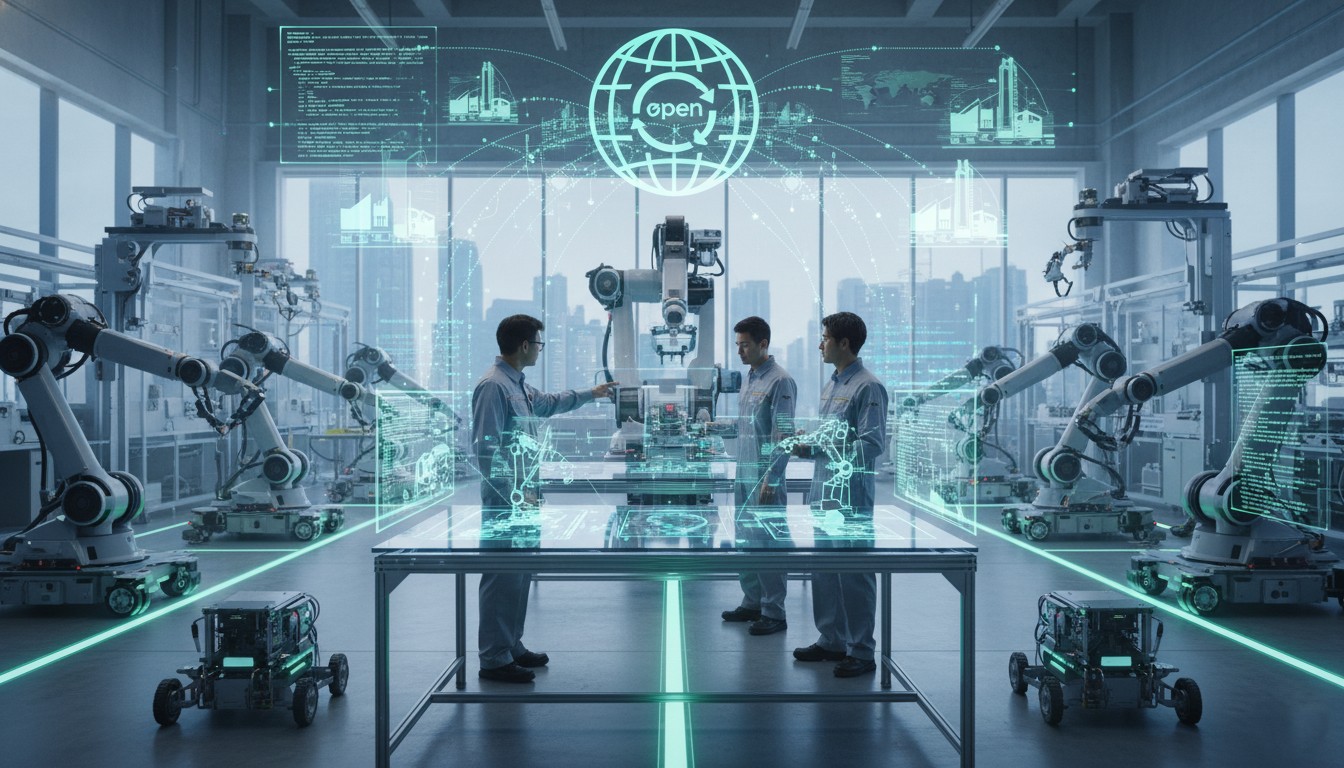
The Future of Open Source Robotics: Transforming Automation with AI
Introduction
In the realm of modern technology, open source robotics stands as a significant powerhouse, catalyzing transformative changes across industries worldwide. At its core, open source robotics merges the spirit of collaboration inherent in open-source philosophies with the cutting-edge allure of automation, creating a digital symphony between robotics and artificial intelligence (AI). This synergy is not only fascinating but also critical, as the versatility and adaptability of robots depend heavily on open-source advancements. In today’s age, where AI innovation is central to technological evolution, understanding how open source robotics reshapes the landscape of automation becomes imperative.
Background
The ascent of robotics from basic mechanical contraptions to the sophisticated physical machines of today reflects a timeline of relentless innovation. Traditionally, robotics technology was largely proprietary, limiting the pace of progress and accessibility. However, the pivot towards open-source methodologies has deeply altered these paradigms. By embracing open-source, robotics development opens up new avenues for collaboration, enabling rapid strides in automation and AI. Much like how the open-source model in software development fostered innovation at warp speed, allowing projects like Linux to flourish, robotics is now experiencing a similar revitalization. The transparency and communal development ethos function as the proverbial “rising tide that lifts all boats,” fostering a richer ecosystem for innovation in AI and robotics.
Current Trends in Open Source Robotics
Recent trends indicate a prolific growth in open source robotics, with numerous AI innovations seamlessly integrating into robotics. A vivid example is the integration of AI into physical machines, enhancing automation processes across sectors. The confluence of mechanical engineering and machine learning allows for robots that are not just machines, but intelligent entities capable of sophisticated tasks. Current trends are akin to changing gears from manual to automatic, amplifying the capabilities and applications of robotics.
One of the most significant trends is the increasing use of AI models to enhance robotics functions. By embedding AI within these systems, automation not only becomes more rapid but also smarter. These robots can now self-optimize, learn from their environments, and adapt to new scenarios, ultimately redefining what machines can achieve autonomously.
Insights from Recent Developments
The debut of the SPEAR-1 model serves as a bellwether for the potential bound up in open-source robotics. SPEAR-1, an AI model developed by researchers at INSAIT in Bulgaria, exemplifies the marriage of innovation and accessibility. One groundbreaking feature is its use of 3D data, which allows robots to gain a more profound understanding of their environment, akin to providing them with a spatial map that greatly enhances their dexterity and precision source.
Another forward leap is the influx of investments into the robotics sector. As noted by experts like Martin Vechev, open-weight models such as SPEAR-1 are crucial for advancing embodied AI, heralding an era where the \”race to make robots smarter\” is backed by billions in investment (as detailed in recent analyses). This surge in financial backing underscores both the commercial potential and the transformative promise of open-source robotics innovations.
Forecast for the Future of Open Source Robotics
Looking ahead, the landscape of open-source robotics is poised for expansive growth. As AI continues to evolve, its symbiotic relationship with robotics will further push the boundaries of what can be automated. The horizon gleams with opportunities: from industrial automation where robots can work collaboratively with humans to entirely autonomous decision-making systems that can handle complex tasks independently.
However, with these advancements come challenges. Ensuring safe and ethical use, maintaining cyber-security, and preventing the monopolization of data are crucial issues to address. Yet, the potential technological advancements, such as integrating more nuanced AI capable of understanding human emotions, could redefine interactions across various fields of application.
Call to Action
As the field of open source robotics burgeons, engagement with these technologies becomes more essential than ever. We invite you to delve into the myriad of open-source robotics initiatives or explore communities that are spearheading AI innovation and robotics development. Opportunities for learning and contribution abound, offering pathways to be a part of this exciting evolution in automation.
Explore, participate, and contribute to shaping the future of open source robotics; an exhilarating journey awaits! For more insights into AI innovation and robotics, consider reading about the SPEAR-1 model’s impact here.