The Future of Driving: Exploring Self-Driving Cars
Introduction
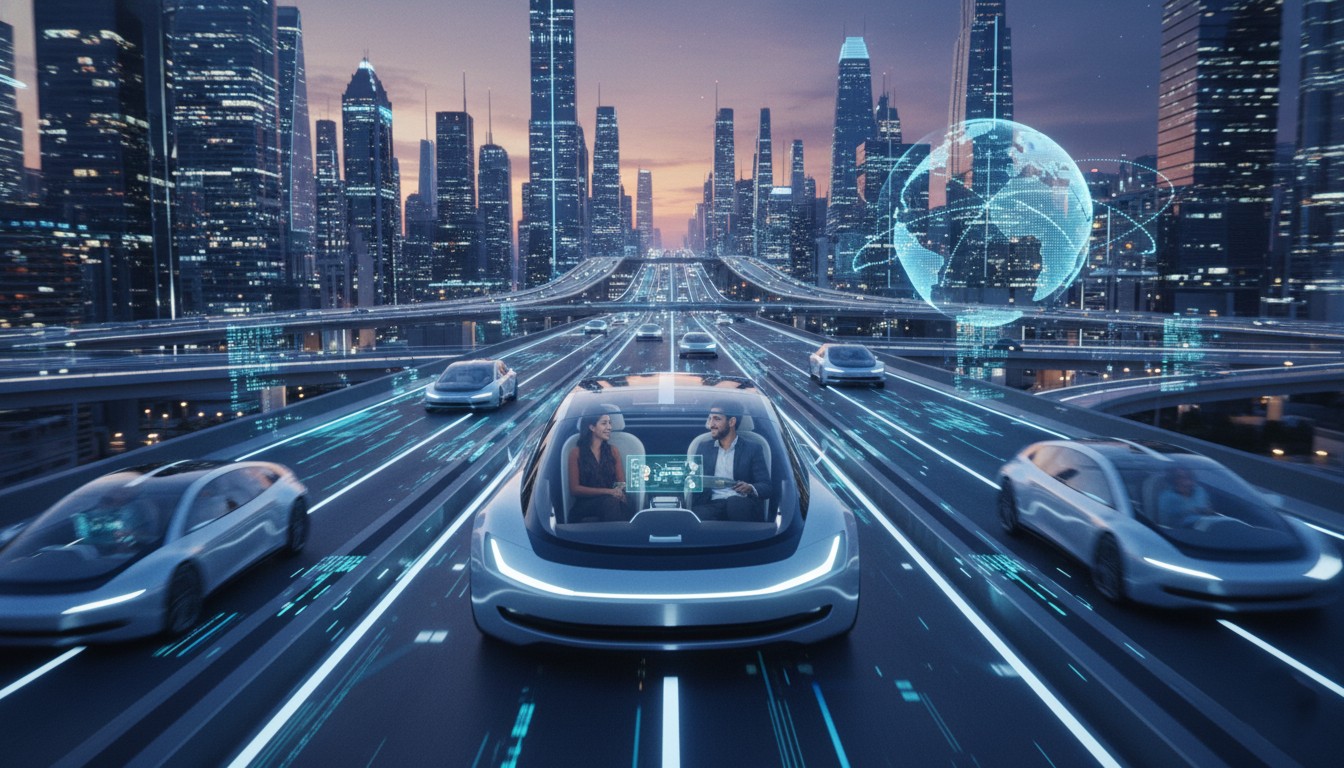
In what feels like a chapter from a science fiction novel, self-driving cars are no longer a distant dream but an exciting and controversial reality. Pioneered by giants like Google and Tesla, they have come to embody the technological revolution sweeping the transportation sector. From data-driven machine intelligence to GM technology leading the pack, these autonomous vehicles are not just re-engineering how we navigate roads but fundamentally transforming the ethical and societal undertones of the future of driving.
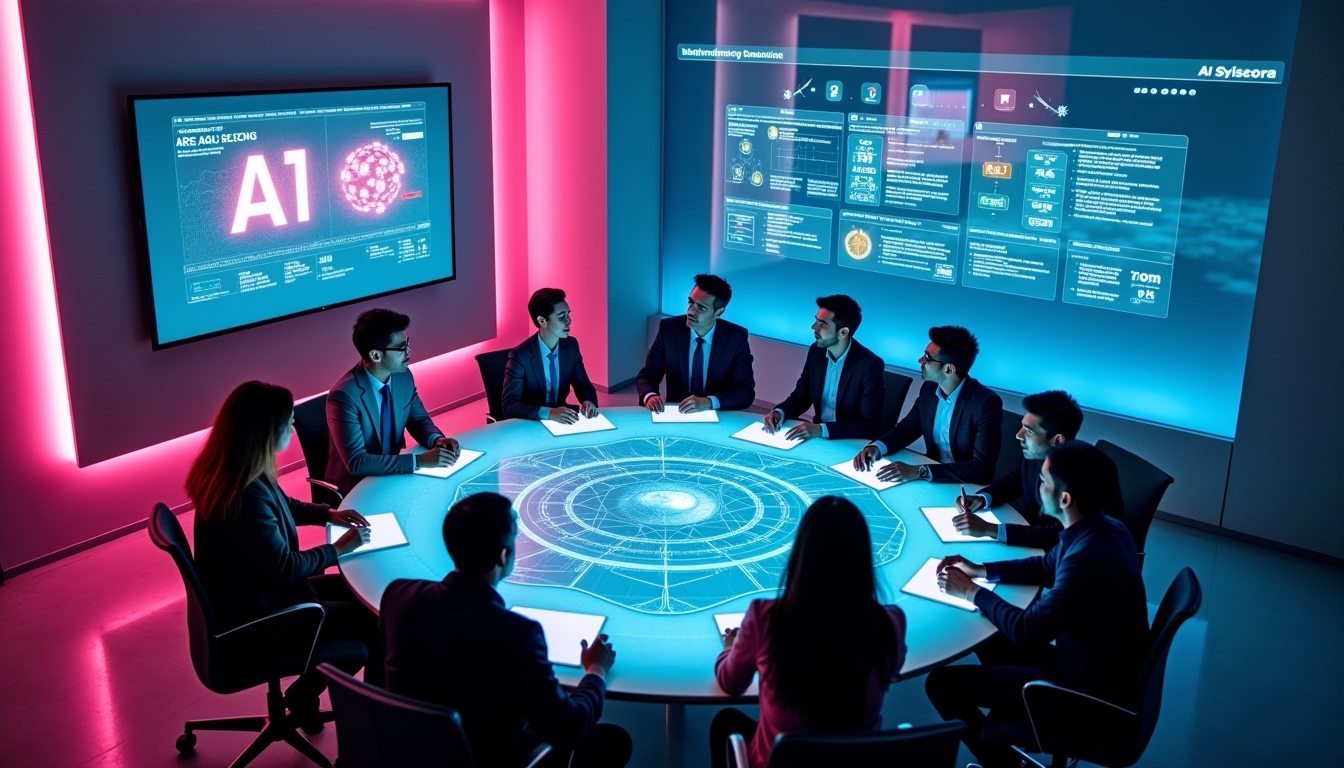
The integration of AI in transportation marks a seismic shift in how we perceive mobility. As corporations pour billions into research, the anticipation is palpable. The world stands on the cusp of a new era in travel, but as with all radical change, this brings a blend of excitement and trepidation.
Background
The journey to today’s autonomous vehicles is rooted deeply in history. Back in the 1930s, the notion of a car that could drive itself seemed an extravagant fantasy. Fast forward to the 21st century, and companies like General Motors (GM) are at the forefront of this pioneering movement. GM technology, particularly ordained with the advances from their early ‘Driver Assistance’ features, has catalyzed significant growth in the self-driving sector.
Initially positioned as luxury add-ons, features like adaptive cruise control and lane-keeping assistance were the seedlings that paved the way for today’s self-sufficient vehicles. It’s akin to watching a sapling grow into an expansive oak tree, providing shade and altering the landscape around it. The more GM and its competitors compete to innovate, the more tangible, accessible, and seemingly inevitable self-driving cars become.
Trend
In today’s automotive industry, the pulse of change throbs incessantly with AI in transportation taking center stage. Autonomous vehicles are witnessing an upsurge in adoption across consumer markets. This trend heralds a significant shift, akin to the transition from horse-drawn carriages to motor vehicles. Products, like GM’s Super Cruise, which couples machine intelligence with real-time data, exemplify how technology is augmenting driving experiences, pushing the envelope of convenience and safety.
However, not all is glossy and seamless. The adoption is fraught with challenges; regulators grapple with safety frameworks while skeptics raise eyebrows at the ethical implications of machines making critical, life-altering decisions.
Insight
Sterling Anderson, a notable figure in autonomous technology development, opines, \”If the last couple of decades have taught us anything, it’s that you can’t expect an inattentive driver to be prepared to take over at a moment’s notice.\” This statement underscores the pivotal role machine intelligence plays in furnishing not just convenience but potentially life-saving safety measures in traffic systems (source: Wired).
Take, for instance, GM’s vision for a self-driving world with the 2028 Cadillac Escalade IQ. By leveraging the synergy between lidar, radar, and cameras, this innovation transcends beyond mere vehicle automation to redefine what constitutes travel safety. Imagine delegating routine highway driving to your vehicle — it’s not just a luxury; it becomes an integral part of daily life, akin to how smartphones have become an electronic extension of human interaction.
Forecast
Looking ahead, the future of driving promises even more radical transformations. By 2028, consumers can anticipate more ‘eyes-off’ capabilities in vehicles, a bold forecast validated by GM’s roadmap for their flagship models like the Cadillac Escalade IQ. This technology promises not just the absence of steering or pedal input but encourages active disengagement as a standard practice. We stand at the brink of an era where cars more accurately mirror the comforts of a moving living room than a mere mode of transportation.
The implications are profound: from urban planning to insurance policies, the ripple effects of self-driving cars are set to reshape societal norms (source: Wired).
Call to Action
Despite the skepticism and ethical quandaries, we stand at the dawn of a transformative era in transportation. If we wish to navigate this shift knowledgeably, staying updated on advancements in self-driving car technology is essential. It’s not merely about riding the wave of innovation; it’s about consciously steering it towards a future where technology bolsters human capability without undermining our ethical compass.
So, are you ready to embrace the self-driving future, or will you let it pass you by? The choice, much like these vehicles, is inevitably, autonomously yours.