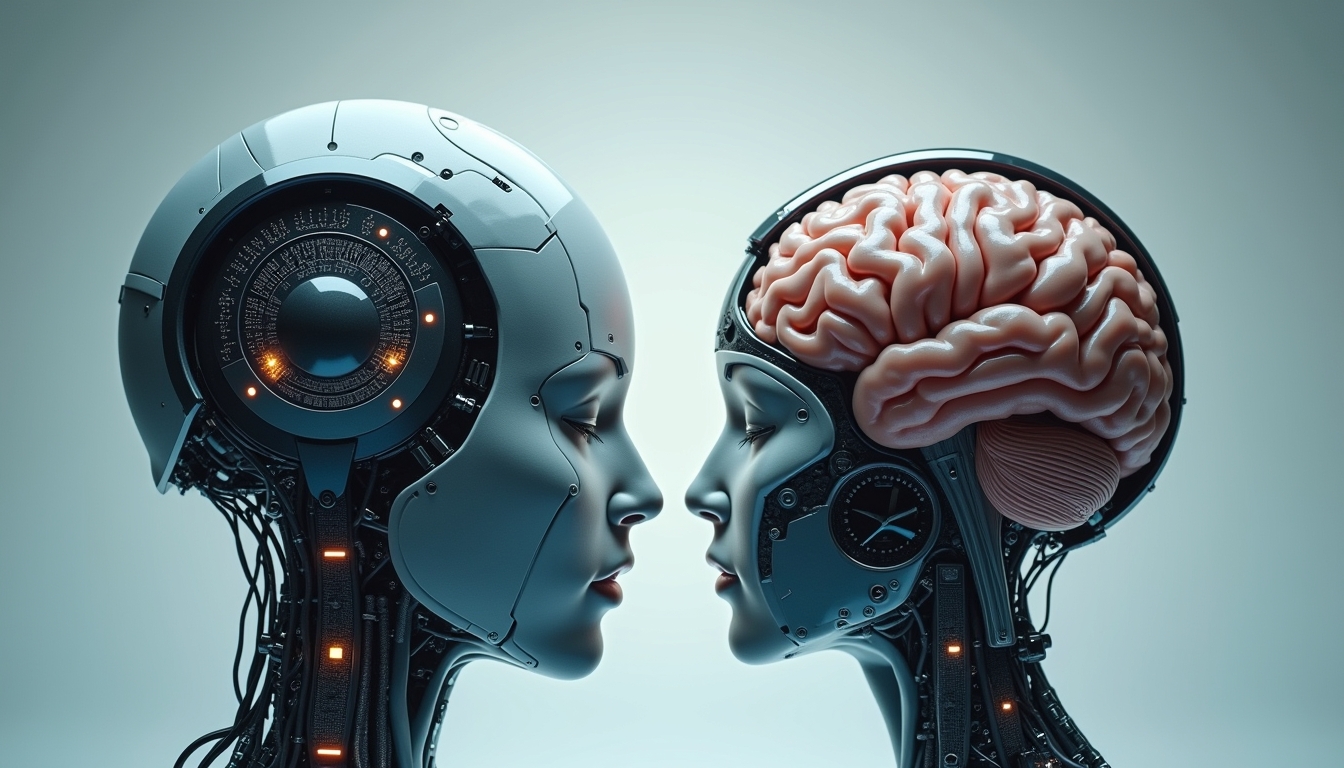
AI Hardware: Innovations Shaping User Experience
Emotional Resonance in AI Hardware
Understanding the User Perspective
In the rapidly evolving field of AI hardware, emotionally resonant design is setting new benchmarks. Significantly, Kevin Rose, an influential name in investment circles, stresses evaluating tech based on a visceral sense test. He famously quips, “If you feel like you should punch someone in the face for wearing it, you probably shouldn’t invest in it” source article. Here lies the crux: AI hardware must transcend functionality, securing its place within societal norms and emotional frameworks.
Adopting AI tech hinges more on emotional intelligence than pure innovation. The aggressive feelings elicited by certain wearables highlight an underlying challenge for investors, who now prioritize tech that fosters acceptance and emotional congruence. Thus, integrating user sentiment becomes vital for sustainable investment strategies, altering the playing field significantly for venture capitalists.
User Experience Metrics
Evaluating AI hardware through user comfort and societal acceptance parallels historical social media trends. As seen with platforms like Facebook and Instagram, initial acceptance paved the way for widespread adoption. AI hardware requires similar scrutiny, encouraging metrics that gauge emotional resonance, not just functionality.
The design success stories of Oura, Peloton, and Fitbit exemplify harmonizing user experience with technological innovation. Their strategy? Seamless integration of form and function, ensuring products are not just tools but lifestyle companions. Google, with its feedback-driven method, marks an innovation trajectory where user sentiment influences hardware development. Future AI solutions must prioritize emotional alignment to thrive in increasingly discerning markets.
Prototyping AI: Balancing Innovation and Caution
Future of Prototyping in AI
Prototyping in the AI sphere is a delicate dance of breakthroughs and restraint. The pace at which AI hardware evolves often forces developers into rapid iterations that may neglect emotional intelligence. The best practices spotlight the necessity of fostering emotionally intuitive AI, fulfilling not just logical but psychological user needs.
Recent data emphasizes the importance of inclusive design methodologies, iterating concepts that cater to a broad spectrum of emotional responses. As prototyping accelerates AI’s integration into everyday life, developers must remain tethered to user sentiment to sustain relevance and success.
Entrepreneurial Barriers and Opportunities
For burgeoning entrepreneurs, AI heralds a realm where barriers to entry are steadily dissolving. Kevin Rose highlights this as a pivotal advantage for aspiring ventures, where imaginative solutions can flourish unimpeded compared to the stringent hurdles past tech startups faced. Yet, the role of venture capitalists is evolving—it now mandates not only funding innovation but guiding emotionally intelligent product development.
The focus shifts to creating environments where AI elevates user experiences while mitigating potential negative emotional reactions. This approach will be crucial as entrepreneurs navigate an ever-complex technological landscape.
Risks of Reckless AI Integration
The allure of hastily deploying AI hardware is fraught with risk. Past failures, impervious to emotional considerations, underscore the critical necessity of human oversight. Case studies reveal glaring pitfalls where products floundered due to their lack of emotional intelligence.
True innovation demands caution; devices must resonate positively with users to prevent emotional discord. The industry must strike a balance, fostering technology that enhances rather than disrupts human emotion, steering AI deployment towards empathetic design.
Investment Perspectives on AI Hardware
Understanding Market Sentiment
In assessing market dynamics, the emotional intelligence of AI hardware emerges as a dominant factor. Investment decisions now hinge on AI’s ability to harmonize with emotional cues, influencing future market trajectories. Rose articulates this shift: as AI renders entrepreneurship more accessible, investor focus pivots to emotional undercurrents in tech adoption.
Investor sentiment increasingly values devices that integrate seamlessly with user ethos. This trend forecasts profound shifts in investment strategies, where emotional intelligence becomes a cornerstone of technological advancement.
Trends Affecting VC Decisions
Current trends reveal that venture capitalists consider social acceptability a decisive metric. As AI technology permeates daily life, recognizing societal dynamics catalyzes informed investment decisions. This insight deepens engagement between investors and evolving technologies, with social sentiment guiding pivotal choices.
The paradigm of social acceptability will remain an investment linchpin, necessitating due diligence in emotional intelligence as firms scope future opportunities.
Predictions for AI Hardware Markets
Foreseeing AI hardware’s future reveals a landscape reshaped by emotional aptitude. Anticipated advancements prioritize psychological synergy and user-centric design, underpinned by this potent trend. As markets adapt, AI’s trajectory will carve new pathways aligned with these emotional imperatives.
The confluence of technology and human emotion signals a dynamic frontier for AI, steering it toward user-prioritized innovation that resonates globally.
Conclusion
Emotionally resonant AI hardware stands as a beacon for future innovation, emphasizing user-centric solutions. As the industry navigates these emotional currents, AI hardware poised for success will invariably echo user sentiment and acceptance.
—
– The heartbeat of AI innovation pulses with emotional intelligence—a tune essential for future harmony.