Humanoid Robots: The Future of AI-Powered Assistance
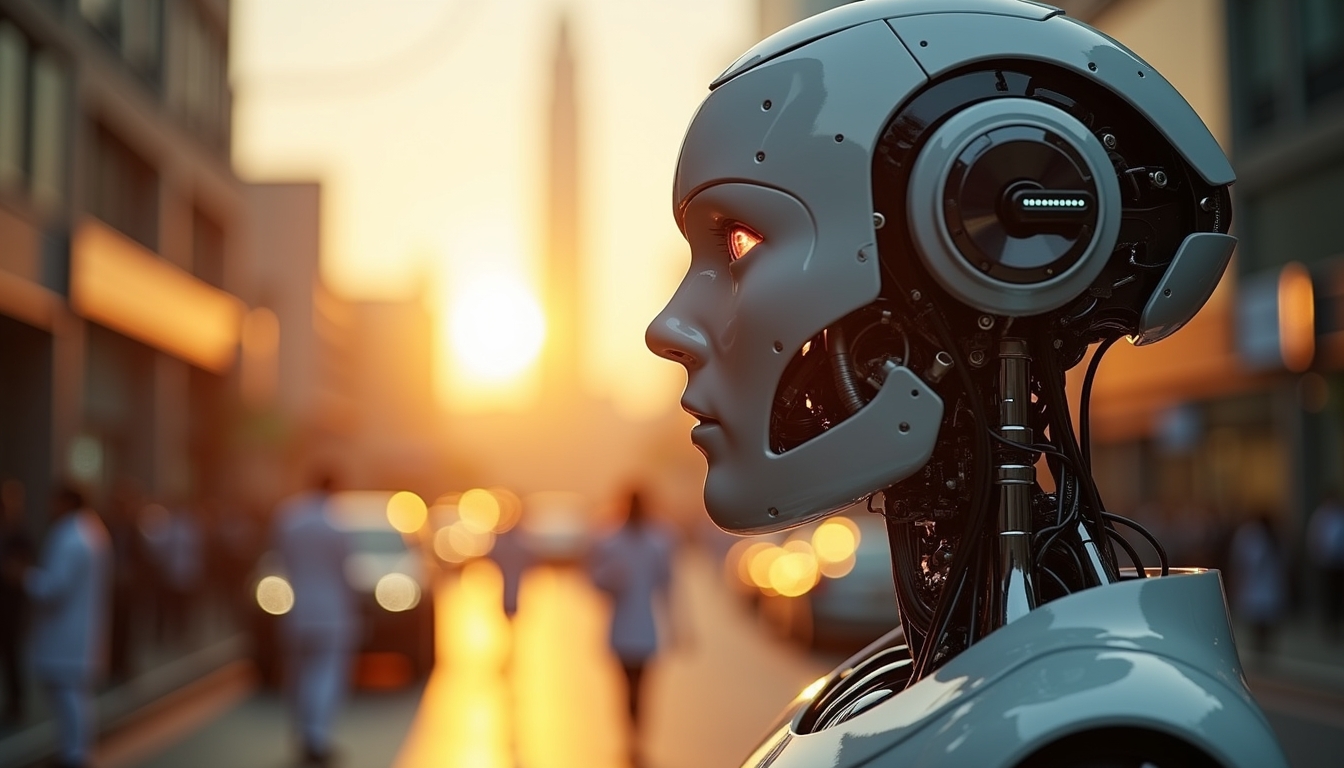
Humanoid robots are not just fixtures of science fiction; they represent the frontier of future technology and AI integration into our daily lives. These robots, resembling human figures, have seen a dramatic transformation from simple automata to sophisticated systems capable of remarkable tasks. As society becomes more acquainted with these humanoid robots, understanding their evolution, roles, and implications remains paramount.
Evolution of Humanoid Robots
Historical Context
The journey of robotics began in the industrial era, where machines were introduced to handle repetitive manufacturing tasks. Among the milestones in the history of humanoid robotics, initial designs aimed for efficiency in the manufacturing and service sectors. These early use cases set the foundation, leading to the conceptual prototypes that bridged functionality and design to mimic human-like actions.
As AI matured, the scope of robotic utility expanded significantly. From simple, repetitive tasks to more complex operations, pioneers in technology crafted robots capable of sensory perception and basic decision-making. This early landscape of robotics paved the way for current advancements—ushering humanoid robots into diverse arenas.
Current Advancements
Today’s humanoid robots benefit from the amalgamation of advanced sensors, actuators, and machine learning algorithms. Innovations such as natural language processing and computer vision allow these robots to perform tasks that require human-like interaction and adaptability. Key case studies illustrate humanoid robots already working within society—providing customer service, assisting in education, and engaging in public demonstrations.
Incorporating AI in society has bolstered humanoid robots’ versatility, enabling them to learn from interactions and improve their performance autonomously. As they continue to evolve, their capabilities are expected to integrate more seamlessly into complex social and professional environments.
The Rise of Robot Care
Importance in Healthcare
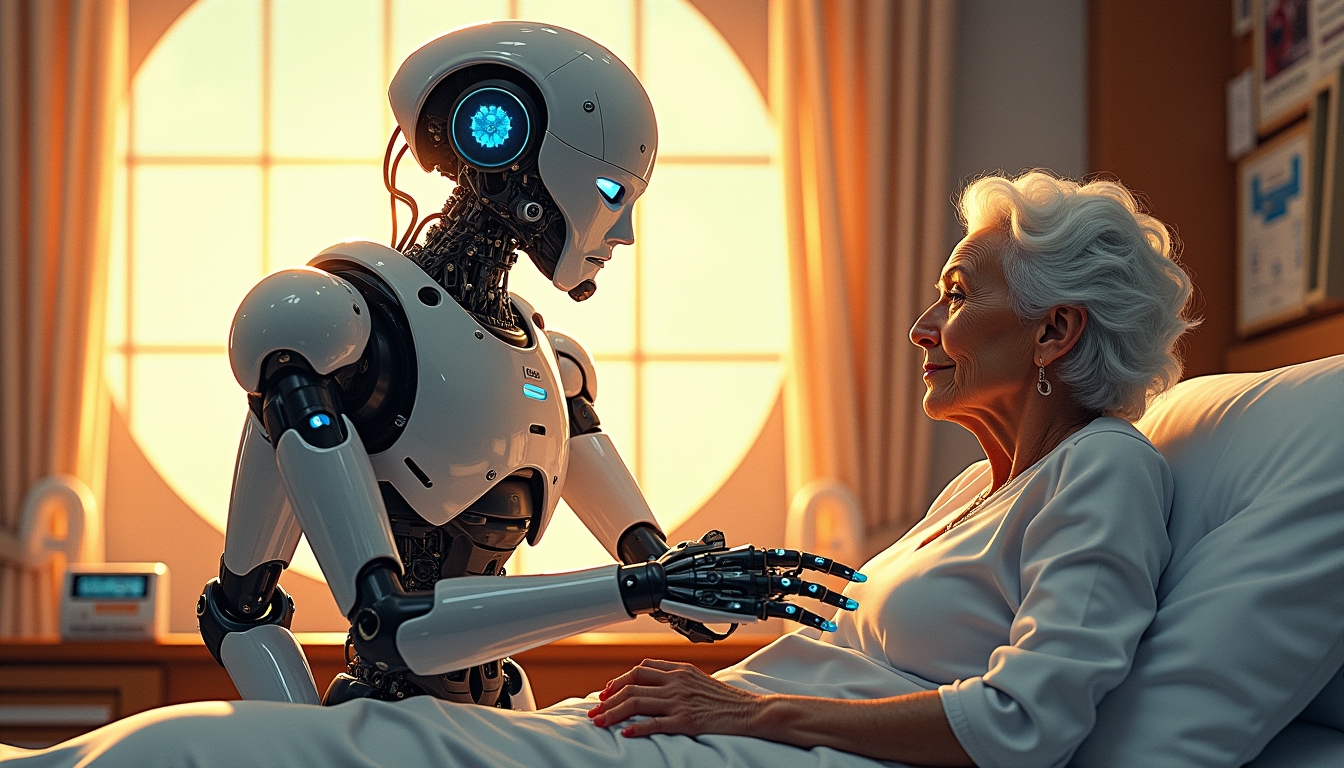
Humanoid robots are emerging as vital aides in healthcare settings, addressing personnel shortages and enhancing patient care. Equipped with empathetic responses and physical assistance capabilities, these robots contribute significantly to patient well-being.
Studies illustrate the advantages of robots aiding medical staff—offloading routine tasks and allowing human practitioners to focus on critical medical care. Such integration improves efficiency and patient outcomes, representing a growing trend in robot care in healthcare facilities.
Expanding Roles
In addition to healthcare, humanoid robots are making strides in assisting the elderly and disabled. They offer companionship, engage users emotionally, and perform daily tasks, heralding a shift toward more interactive and supportive roles. However, these developments also spark ethical debates—questioning the extent of emotional reliance on robots and the implications for human relationships.
Humanoid robots’ roles are not just limited to physical assistance; they enrich social interactions and contribute to psychological well-being. As technology advances, we will likely see these robots achieve even greater sophistication in emotional and cognitive interaction.
AI in Society: Integration and Resistance
Acceptance of Humanoid Robots
Public perception of humanoid robots is colored by media representations and personal experiences. While increased exposure has somewhat normalized their presence, varying degrees of acceptance remain. Factors such as effectiveness in task execution and the ability to produce human-like interactions heavily influence societal attitudes.
Challenges and Concerns
Despite technological progress, concerns linger over AI and robotics. Common fears include job displacement, privacy issues, and ethical dilemmas in human-robot relationships. Such concerns necessitate a balanced discourse on the tangible benefits and potential societal disruptions humanoid robots could bring.
As debates continue, it is critical to highlight the ethical boundaries delineating human interaction with machines. Future conversations must ensure that fears do not hinder the vast potential that humanoid robots offer across various domains.
Future Technology: Trends to Watch
Projected Developments
In the next five years, humanoid robots are anticipated to gain remarkable new capabilities. The fusion of AI, machine learning, and robotics will likely result in robots capable of walking, talking, and handling complex interactions. World Economic Forum experts predict that the next wave of innovations will affect numerous sectors, from customer service to advanced healthcare solutions, setting the stage for a broader societal impact.
Market Outlook
As humanoid robots inch closer to mainstream adoption, the economic implications become more pronounced. Industries such as healthcare, logistics, and customer service stand to gain the most. The robot market’s expected growth paints a picture of transformative industry shifts sparked by technological adoption and evolution.
Why Human Oversight Still Matters
The Human Element
Despite advances, human oversight remains paramount in deploying AI and robotics safely and ethically. Insights from past implementations reveal substantial roles humans play in guiding robotic operations, safeguarding both entities from unforeseen errors.
Collaboration Over Replacement
Emphasizing collaboration between robots and humans sheds light on the symbiotic potential of this partnership. Humanoid robots are poised to amplify human capabilities rather than replace them, creating a horizon rich with workforce development and opportunities for educational reform. Ensuring this balance will foster an environment where technological growth harmonizes with societal needs.
Where AI Regulation Is Heading Next
As humanoid robots permeate daily life, regulations must evolve to address new realities. Current frameworks, focusing primarily on safety and ethical deployment, will likely expand to encompass broader socio-economic impacts. Striking a balance between fostering innovation and ensuring public welfare is a challenge that policymakers must contend with as AI technology progresses.
—
Humanoid robots epitomize both the potential and challenges of cutting-edge technology. As they continue to advance and integrate into society, they will challenge us to reevaluate the dynamics between humans and machines. What role will they eventually play, and how will we adapt? The journey unfolds—one innovation at a time.