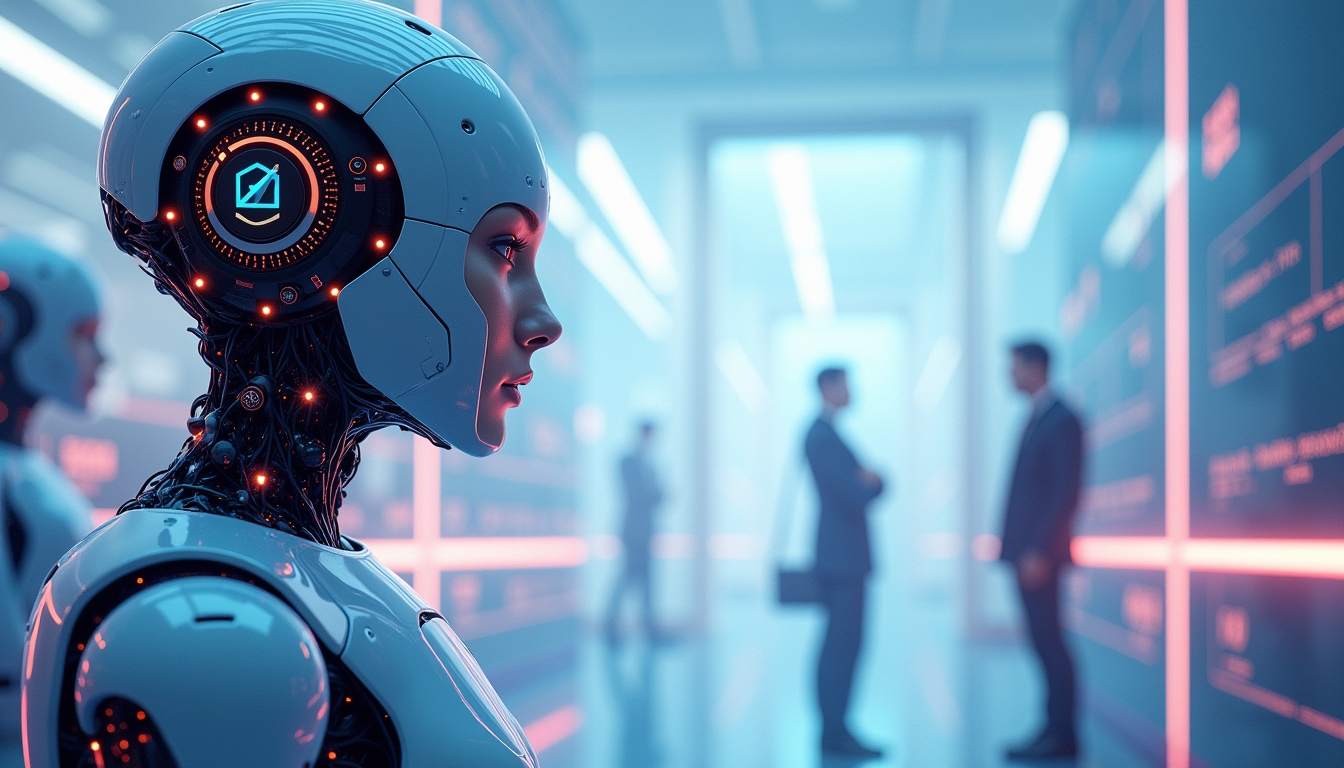
Hybrid Leaders in AI: Transforming the Future of Technology
Redefining Leadership in the Age of AI
The Emergence of Hybrid Leaders
In the rapidly evolving landscape of AI, the narrative is shifting towards the emergence of hybrid leaders in AI. These are professionals who seamlessly blend technical proficiency with strategic business insight to steer organizations through complex technological challenges. Hybrid leaders possess a dual expertise: deep understanding in AI development and a robust sense of business acumen, enabling them to innovate while maintaining operational integrity. As AI systems become more ingrained in organizational structures, the need for this hybrid model becomes increasingly evident.
The significance of this leadership approach is underscored by observations in recent analyses, where the rise of hybrid leaders marks a transformative era in leadership dynamics. Sanya Kapoor articulates this shift by noting that these leaders are pivotal in mitigating the complexities involved in AI integration within businesses. They serve as the bridge between technical teams and executive management, fostering environments where innovation thrives and strategic decision-making is inherently linked to technological capabilities.
Looking ahead, the emergence of hybrid leaders heralds a promising evolution in AI leadership that prioritizes not only technical growth but also sustainable business outcomes.
The Role of Human-Centered Leadership
Human-centered leadership is integral to the success of hybrid leaders, especially within the realm of AI leadership. At its core, this approach prioritizes empathy, inclusivity, and collaboration, elements that significantly enhance the effectiveness of AI management. A hybrid leader, equipped with human-centered principles, naturally gravitates towards fostering a culture that values team input and promotes comprehensive problem-solving techniques.
For instance, Mitesh Sinha’s leadership approach highlights the importance of empathy and collaboration in successfully managing AI projects, which often require cross-functional teams to work harmoniously. This is echoed in AI-driven organizations where the blend of technology and human empathy has led to innovative breakthroughs. Companies like IBM and Google exemplify this approach, where executives who personify human-centered leadership principles drive not only technological advancements but also maintain robust team morale.
As AI reshapes industries, adopting a human-centered leadership approach will increasingly dictate the success of AI integration efforts, ensuring both technological advancements and workforce satisfaction.
Navigating Digital Transformation
AI Integration into Organizations
Integrating AI systems into existing organizational frameworks presents a unique set of challenges. Businesses often grapple with technical complexities, resistance to change, and the need for comprehensive training protocols. The key to overcoming these obstacles lies in strategic AI leadership—an area where hybrid leaders excel.
Strategic leaders utilize a multifaceted approach, assessing both technology capabilities and organizational readiness. This involves crafting effective transition pathways and optimizing existing processes to accommodate AI advancements. According to insightful studies, successful companies implement phased AI adoption strategies, thus minimizing disruptions and maximizing ROI.
With AI’s pervasive role set to expand further, organizations must prioritize strategic AI management to ensure smooth integration and robust transformation of business processes.
Case Studies of Successful AI Leadership
Real-world examples highlight the significant impact of hybrid leaders in AI integration. A notable case is Microsoft’s transformation under Satya Nadella’s leadership. By focusing on building a forward-looking culture, Nadella steered Microsoft from a fragmented tech giant towards an innovative leader in AI and cloud solutions. The result was not only enhanced business performance but also a revitalized organizational ethos that emphasizes collaboration and continuous learning.
Lessons from such transformations underscore the importance of visionary leadership in driving long-term success. These hybrid leaders create a blueprint that others can emulate, showcasing the potential for enhanced innovation and business growth through effective AI leadership.
Looking ahead, companies that embrace hybrid leadership models will likely lead the charge in digital transformation, setting new benchmarks in AI-driven success.
Strategic Insights for Future Leaders
The Importance of Continuous Learning
In the swiftly changing AI landscape, continuous learning is paramount for leaders. Keeping abreast of AI advancements is critical not just for technology managers, but for all involved in strategic decision-making. This necessitates a commitment to lifelong learning, where leaders consistently upgrade their knowledge through various resources such as specialized courses, conferences, and peer networks.
According to industry experts, resources such as MIT’s AI: Implications for Business Strategy course or Google’s certification programs offer valuable insights into the nuances of AI management. Such education fosters leaders who are well-equipped to handle emerging challenges and can lead their organizations through the AI-driven future.
Ensuring ongoing professional development allows leaders to adapt and innovate continuously, positioning their organizations at the forefront of technological change.
Fostering an Innovative Culture
A cornerstone of successful AI leadership is cultivating an innovative and collaborative organizational culture. This involves creating environments that inspire creativity, encourage risk-taking, and reward collaborative achievements. Leaders play a crucial role in this cultural transformation, setting the tone and leading by example.
Techniques like open innovation platforms and cross-departmental teams facilitate this by harnessing diverse perspectives and skillsets. Moreover, as leadership paradigms evolve, adaptive hybrid leaders will be instrumental in shaping cultures that not only embrace change but thrive on it.
In fostering such a culture, organizations position themselves to not only keep pace with AI’s rapid advancements but also leverage its full potential for strategic growth.
The Future of AI Leadership
Predictions for the Next Decade
As we look towards the next decade, the dynamics of leadership in AI are expected to undergo significant transformations. Technology will reshape traditional leadership roles, necessitating greater flexibility and hybrid skills. The role of hybrid leaders will evolve to include not just technological stewardship, but also guiding ethical AI practices and fostering inclusivity.
Emerging technologies, such as quantum computing and advanced machine learning, will require leaders to recalibrate strategies frequently. This dynamic environment will challenge leaders to balance innovation with ethical considerations, ensuring technology advancements align with societal values and norms.
Hybrid leaders will play an integral role in navigating these complexities, establishing themselves as pivotal figures in the next era of AI leadership.
Key Skills for Successful Hybrid Leaders
To thrive as a hybrid leader, a unique blend of skills is essential. Communication, adaptability, and emotional intelligence stand out as critical traits for managing AI teams effectively. These skills foster transparent and effective interaction across all organizational levels, crucial for driving successful AI projects.
Moreover, as AI presents unprecedented challenges, leaders must demonstrate resilience and foresight, preparing their teams for unknown hurdles. Through a commitment to these skills, hybrid leaders will be well-equipped to steer their organizations into a future redefined by AI innovation.
In summary, the coming years present both challenges and opportunities, and it’s the hybrid leaders equipped with these essential skills who will navigate this transformative landscape most successfully.
Reflecting on the trajectory of AI leadership, hybrid leaders emerge as catalysts for innovation, blending technical expertise with strategic vision to drive sustainable growth.
Sources
– The evolving role of technical leadership in the age of AI: Rise of the Hybrid Leader