Humanoid Robots: Transforming Our Future or Just Hype?
The Rise of Humanoid Robots in Society
Historical Context
The evolution of humanoid robots is a compelling narrative over half a century in the making. Beginning with basic automated machines in the mid-20th century, robotics has transformed significantly. Milestones include the development of ASIMO by Honda in the early 2000s, a breakthrough depicting how robots can mimic human actions. This was followed by Sophia by Hanson Robotics, a humanoid with advanced AI that marked a crucial point in robotic technology. These advancements illustrate an ongoing journey from mechanical simpletons to complex automatons capable of an ever-expanding array of tasks.
Robotic Technology Revolution
The intersection of AI and robotics heralds a new era in robot technology. AI integration enhances consumer robotics, transforming previously unfeasible ideas into realizable products. For instance, AI-driven algorithms enable better decision-making and problem-solving, crucial for household robots. However, the question remains: Are these technological advances leading to practical robotics that genuinely assist in human environments, or are they simply more sophisticated gadgets?
Current Applications
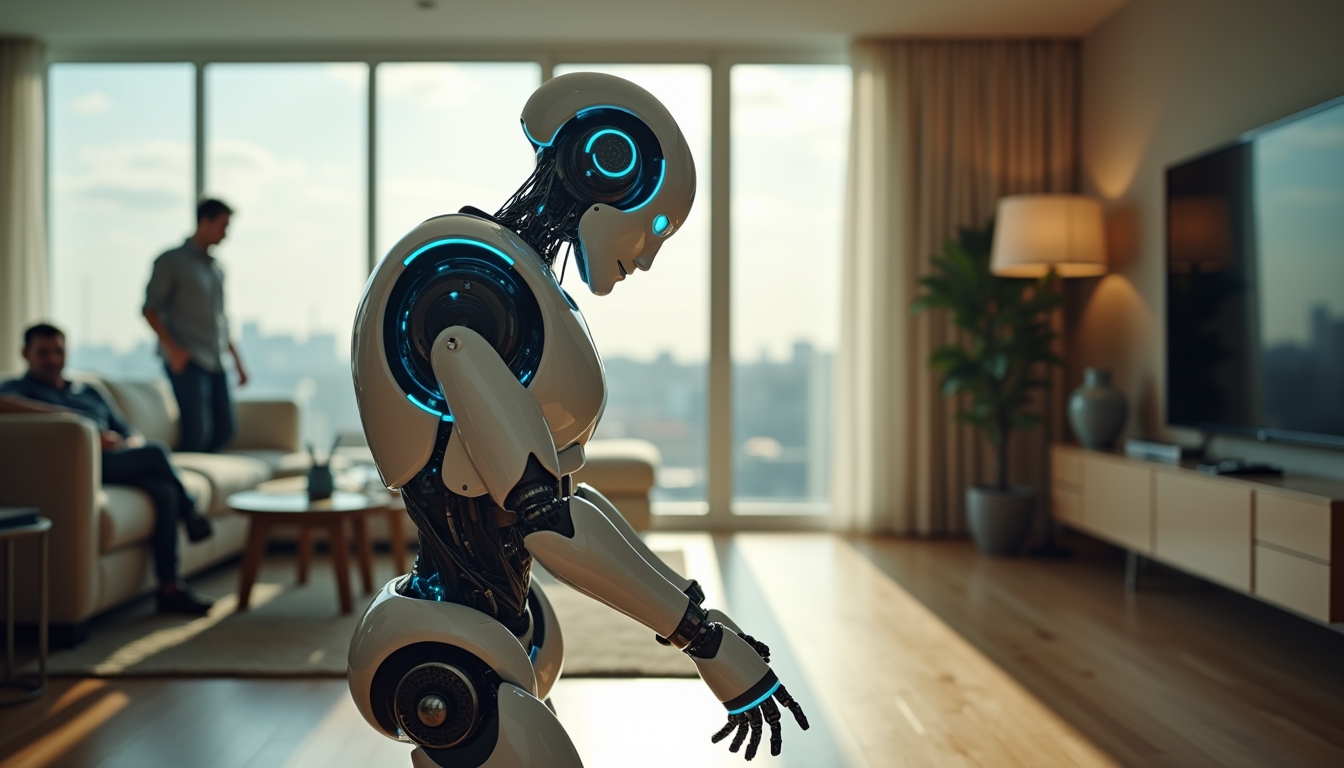
The application of humanoid robots spans several sectors, from healthcare to hospitality. In domestic settings, robots increasingly serve as household helpers, although with varying efficiency. Allan Grain discusses their current roles, noting they are more promotional than functional at present. Grain’s insight into AI-driven robots highlights both their potential and limitations in practical home environments, emphasizing the gap between capability and aspiration. As these robots evolve, the anticipation grows that they might begin truly revolutionizing our households.
Unpacking The Hype: Are Humanoid Robots Worth the Investment?
AI Failures and Consumer Skepticism
Despite the optimistic projections for consumer robotics, there is a growing narrative of skepticism fueled by well-documented AI failures. Cases where AI-driven systems malfunction or fail to deliver promised outcomes diminish consumer trust. This skepticism is reflected in declining investments in certain robotics startups, suggesting that people remain unconvinced of their practicality.
Promises vs. Reality
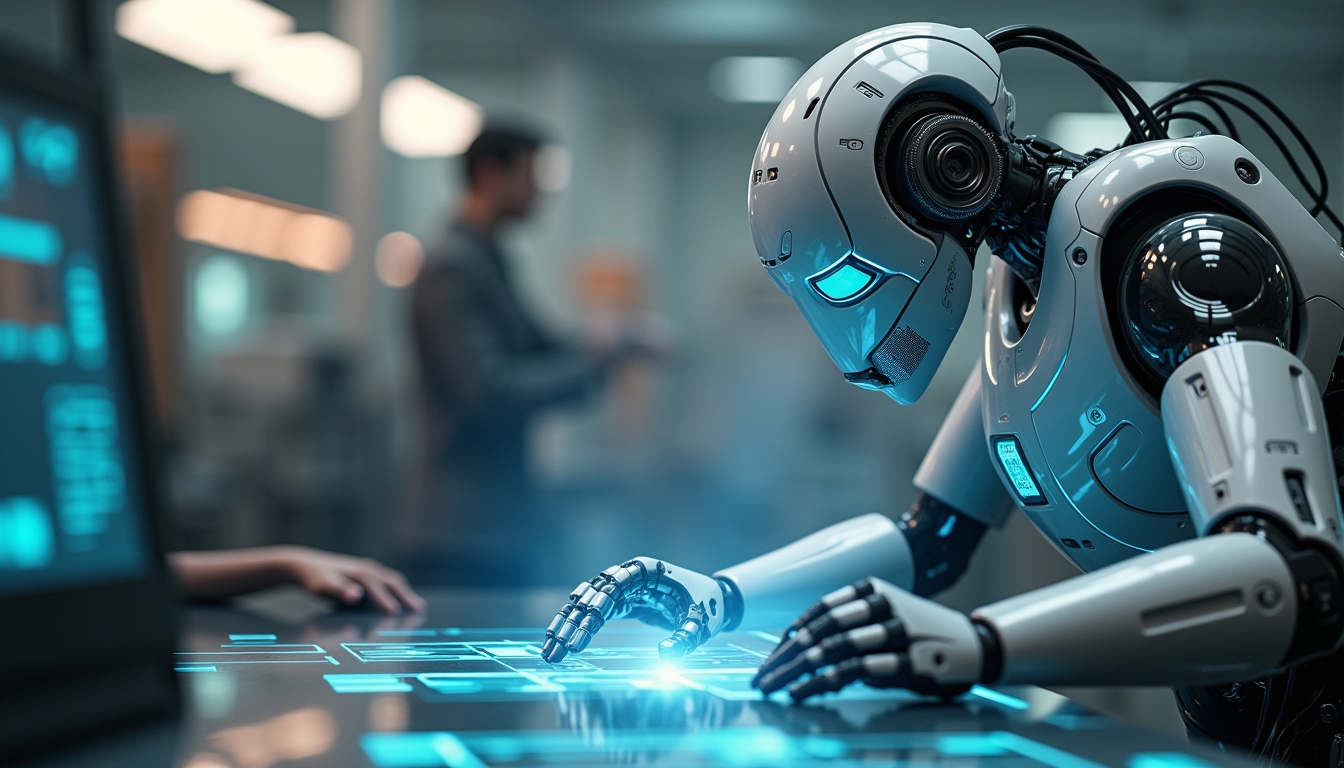
Today’s humanoid robots often fail to meet the visionary promises set by their developers, challenging expectations about their role in the future of work. While these machines promise efficiency and revolution, they currently perform a limited set of tasks. This disparity between expectation and reality raises concerns about premature adoption and its implications for the job market. Will robots augment human labor, or will they displace employment—a prospective shift that remains speculative yet unsettling?
Ethical Considerations in Humanoid Robotics
Human Impact and Job Displacement
The automation promised by burgeoning robotic technology poses significant concerns over job security. Automation introduces efficiencies that could render certain jobs redundant, instigating debates around ethical deployments. How will societies adapt to the robotic revolution without sacrificing human livelihoods? This ethical conundrum demands strategic foresight as we integrate humanoid robots into our professional arenas.
Privacy and Surveillance Issues
The presence of humanoid robots also raises questions of privacy and surveillance. As these machines become more integrated into personal spaces, they might infringe on individual privacy unless governed by robust legal frameworks. Allan Grain’s article highlights ongoing debates around AI and privacy, urging for clear guidelines to prevent potential overreach in personal surveillance.
Future Trends: What Lies Ahead for Humanoid Robots?
Envisioning Integration into Daily Life
Future scenarios involving humanoid robots portray them as indispensable companions, blending seamlessly into daily life. Advances in machine learning aim to personalize user interactions, tailoring responses to human emotions and behaviors. As these capabilities develop, the prospect of robots as interactive partners rather than mere tools beckons intriguing societal shifts.
Potential Regulatory Changes
The burgeoning field of robotics calls for proactive regulatory measures. Predicted changes in AI and robotics legislation could redefine how these technologies are adopted, impacting both manufacturers and users. If guided wisely, these regulations will promote innovation while safeguarding public interests, ensuring that the introduction of robotics into our lives is paced and pragmatic.
The Responsibility: Manufacturers and Users
Best Practices for Safe Implementation
Ensuring the safe integration of humanoid robots calls for best practices that manufacturers must adopt. According to industry experts, maintaining rigorous safety standards and transparent user guidelines will bolster consumer trust. For users, embracing this technology requires critical evaluation of their specific needs against marketed capabilities, fostering a balanced and informed adoption of robotics that aligns with real-world applications.
Fostering Human-Robot Collaboration
Promoting collaboration between humans and robots necessitates a balance of automation with human oversight, a dance of efficiency with ethical intentions. Envisioning a future where robots complement human efforts in co-working environments underscores the need for continued innovation that respects and enhances human capabilities.
The evolution of humanoid robots illustrates our relentless quest for technological transcendence, yet mirrors our enduring uncertainties about what it means to coexist with machines.