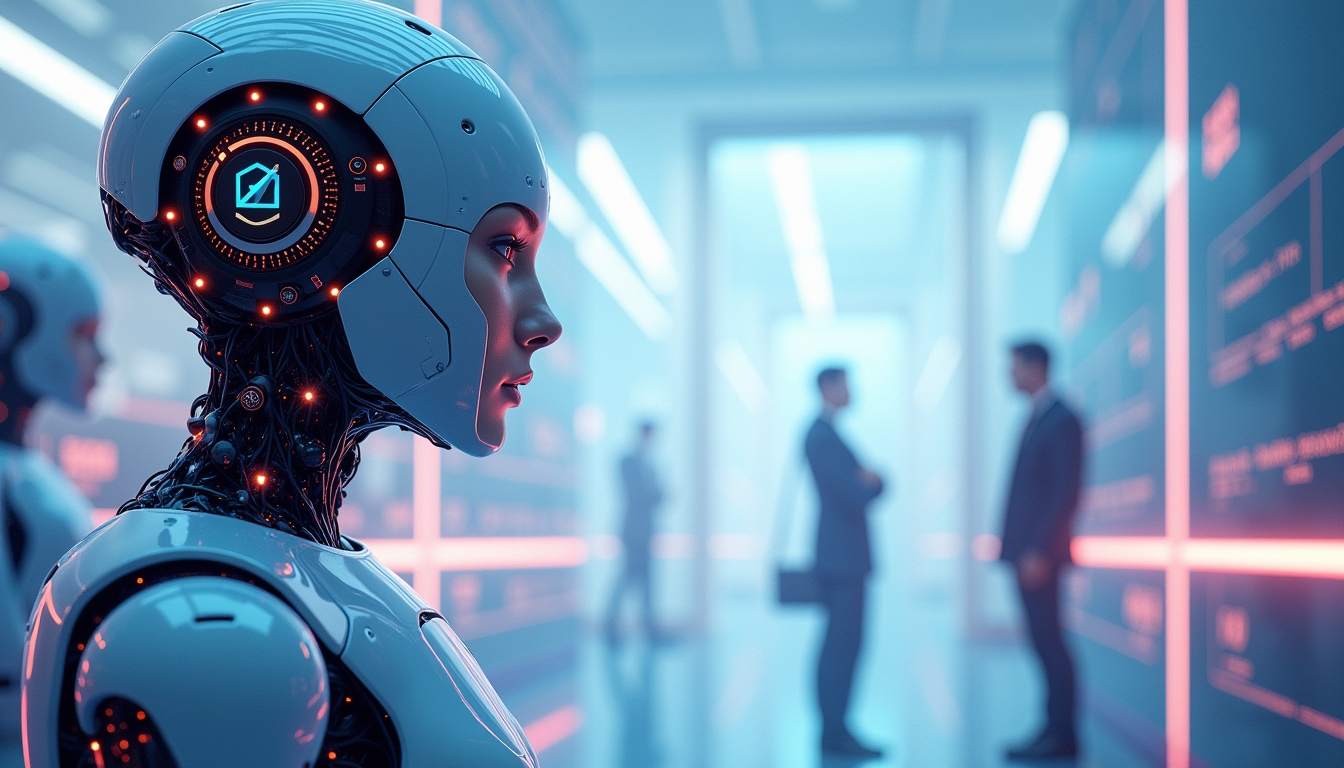
Amazon AI Agents: Transforming Cybersecurity and Business Innovation
The Evolution of Amazon AI Agents
Early Innovations in AI Technology
Amazon’s journey into artificial intelligence (AI) commenced with ventures aimed at revolutionizing e-commerce through personalized recommendations and voice recognition systems. These early innovations laid the groundwork for Amazon’s present sophisticated AI capabilities. The introduction of Alexa is a testament to Amazon’s progression, blending natural language processing with machine learning to create an intuitive user interface, which has now permeated millions of homes worldwide.
As part of Amazon’s strategy, AI has evolved to meet the growing demands of cybersecurity, leveraging past technological innovations as a robust foundation. This commitment to AI technology underpins its ability to tackle increasingly complex challenges in threat detection and business innovation.
Autonomous Threat Analysis (ATA) System
The development of Amazon’s Autonomous Threat Analysis (ATA) system marks a significant stride in AI-led cybersecurity advancements. This system, a brainchild of Amazon’s internal initiatives, utilizes specialized AI agents to simulate and analyze potential cyber threats, effectively augmenting traditional security teams. The collaborative nature of these AI agents in threat detection has been pivotal in reducing response times and enhancing proactive cybersecurity measures.
According to a detailed report by Wired, these AI agents demonstrated 100 percent detection efficacy in identifying complex Python ‘reverse shell’ techniques, once considered formidable cybersecurity threats. This exemplifies AI agents’ potential in nullifying sophisticated cyber exploits (Wired).
The Role of Internal Hackathons
Amazon’s culture of innovation finds a perfect conduit through its internal hackathons, events which foster creativity and problem-solving skills among developers. A noteworthy result of such a hackathon was the ATA system, which exemplifies how these collaborative events can translate creative impulses into practical cybersecurity solutions.
Hackathons provide a unique platform for developers to congregate, experiment, and develop cutting-edge solutions. Through this framework, the ATA system emerged, showcasing how AI agents, nurtured in a competitive yet collaborative environment, can preemptively identify vulnerabilities before they can be exploited by malefactors.
Cybersecurity Landscape: The Growing Need for AI
Increasing Threats and Vulnerabilities
The digital age has ignited a dramatic rise in cybersecurity threats, with statistics indicating that businesses face persistent assault from cyber miscreants. The frequency and sophistication of these attacks necessitate the application of advanced AI technology in threat detection. Traditional security protocols often falter under the sheer volume of potential threats, highlighting the critical need for automated systems that can operate at \”machine speed\”—faster than a human could manually manage.
How AI Agents Are Shaping Cybersecurity
Amazon’s AI agents are redefining cybersecurity by automating threat analysis and reducing the burden on human operators. By simulating real-world attack scenarios, these AI systems inform better defensive strategies and enhance overall system resiliency. An exemplar model of this is the AI-driven threat detections that have materially improved both detection and response capabilities, setting new benchmarks in cybersecurity.
The success of these implementations has not only been in thwarting cyber threats but also in significantly reducing cost and time through automated solutions that maintain cybersecurity integrity.
Business Innovation Through AI Agents
Enhancements in Operational Efficiency
AI agents are not just transforming cybersecurity; they are revolutionizing operational efficiency across Amazon’s business spectrum. By integrating these technologies, Amazon has streamlined processes, improving both speed and accuracy in operations from logistics to customer service. Automating routine and repetitive tasks allows businesses to allocate human capital to more strategic functions, thereby enhancing overall efficiency.
Innovative Business Solutions Using AI
The flexibility of Amazon’s AI agents extends beyond operational efficiency to foster innovative business solutions. Innovations ranging from predictive analytics in supply chain management to AI-driven customer support systems demonstrate the expansive potential of these technologies. The influence of AI agents in creating new niches and products will likely inspire other industries to explore similar pathways.
The Future of Threat Detection with Amazon AI
Trends in Cybersecurity AI Technology
As we advance, AI technologies appear destined to play an increasingly significant role in cybersecurity. Continuous improvements in AI algorithms are expected to yield more robust threat predictive capabilities. Amazon continues to lead the charge by investing in research that facilitates the development of AI technologies for enhanced cyber threat detection.
Implications for Businesses and Cybersecurity
The implications for businesses are profound; AI-enabled solutions offer a path to more secure, efficient operations. However, companies must embrace these advancements by adapting their strategies to incorporate these robust security measures. Proactive adoption will not only secure data assets but also provide a competitive edge in a digital economy.
Why Human Oversight Still Matters in AI
Balancing AI Efficiency with Human Insight
Despite remarkable advances in AI, human oversight remains crucial. AI systems, while powerful, lack the nuanced decision-making capabilities that humans provide. Furthermore, the ethical and moral implications of AI decisions necessitate human intervention to ensure responsible use.
Preparing for a Collaborative Future
Organizations need strategies that enable seamless integration of AI while maintaining essential human roles. Structuring AI to complement human abilities rather than replace them should be the goal, shaping a future where man and machine work together effectively.
Where AI Regulation Is Heading Next
Emerging Regulatory Frameworks
The acceleration of AI integration mandates regulatory frameworks that ensure ethical use while protecting consumer data. As governments worldwide focus on developing regulations to govern AI technologies, companies must stay abreast of these changes to ensure compliance and build trust.
The Challenge of Keeping Pace with Innovation
Policymakers face the dual challenge of fostering innovation and maintaining safeguarding measures against misuse. Continued dialogue between tech companies and regulators is needed to navigate this complex landscape. Businesses should focus on building adaptable compliance frameworks and transparent practices to address regulatory challenges efficiently.
—
The relentless march of AI technology offers vast opportunities for growth and security, yet it demands a careful balance between innovation and ethical considerations.