AI in Manufacturing: Redefining Production Efficiency
In recent years, AI in manufacturing has surged as a powerful catalyst for innovation, streamlining operations, and enhancing production outcomes. This piece delves into the multifaceted impact of AI, examining its role in boosting production efficiency, transforming supply chains, optimizing predictive maintenance, and reshaping enterprise strategy.
The Current Landscape of AI in Manufacturing
Overview of AI Technologies in Manufacturing
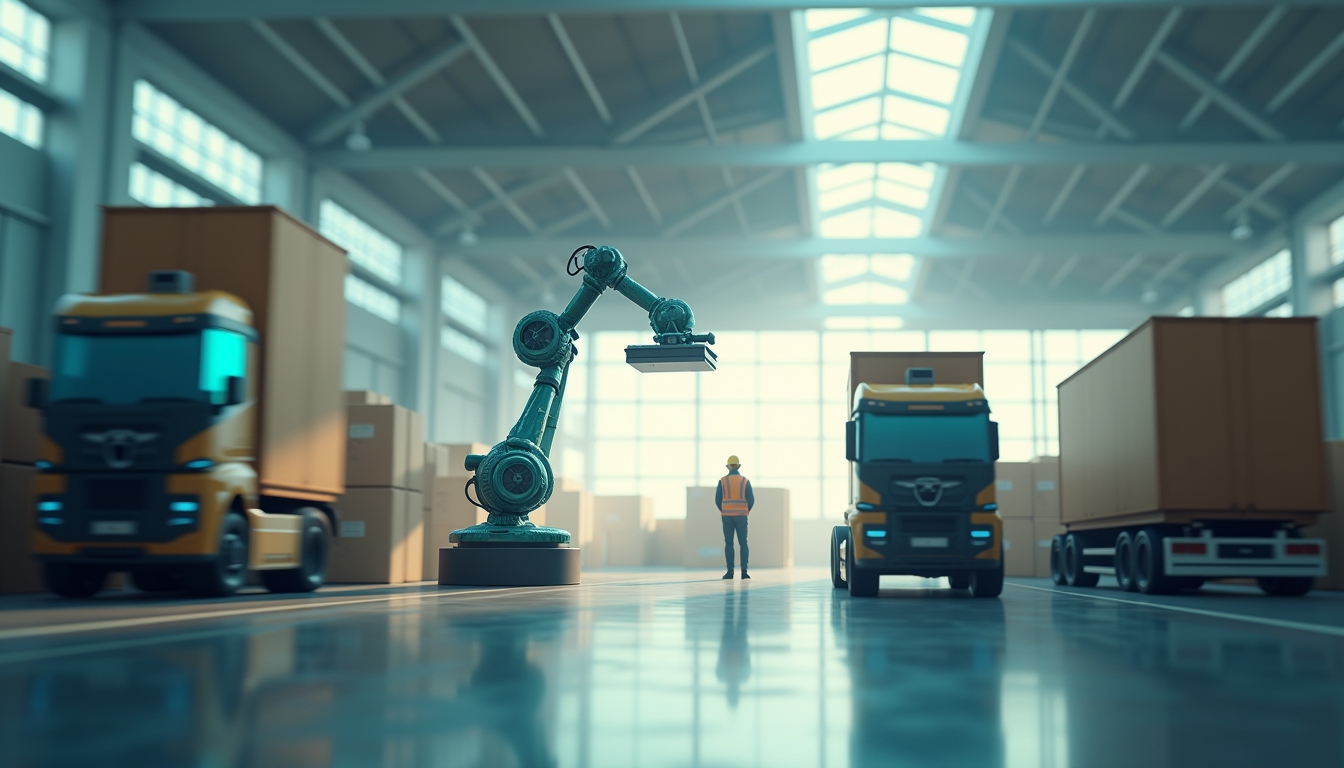
Artificial Intelligence is revolutionizing the manufacturing sector with its vast potential. At its core, AI in this realm encompasses a spectrum of technologies, including machine learning algorithms that enable predictive capabilities, robotics for automation, and intelligent data analysis. These technologies collectively redefine how production is managed, offering unprecedented insights and operational flexibility.
Machine learning, for instance, empowers manufacturers to predict equipment failures, optimize production schedules, and maintain quality control. Robotics further enhance efficiency through automation, reducing human error and accelerating production cycles. As these tools become more integrated into manufacturing processes, the potential for improved productivity continues to expand.
Importance of Production Efficiency in Manufacturing
Production efficiency is paramount in manufacturing, directly influencing margins and competitiveness. AI serves as a critical lever in enhancing this efficiency. By automating routine tasks, it reduces the time and cost associated with human labor. AI technologies facilitate better resource management and minimize wastage, contributing to reduced operational costs.
Implementing AI in manufacturing often results in lower production costs, as systems can optimize resource allocation and energy consumption more effectively than traditional methods. The convergence of AI and production efficiency ultimately leads to higher quality products and faster delivery times, essential for maintaining market agility in today’s fast-paced economy.
Related Keywords Influence
In the broader framework, AI’s influence ripples through the supply chain, fundamentally altering dynamics. As detailed in a source article from Hackernoon, the integration of AI into supply chain management offers real-time visibility and data analytics capabilities. AI-driven insights allow manufacturers to anticipate demand shifts, adjust logistics in real-time, and streamline supplier interactions for enhanced collaboration.
With these capabilities, manufacturers achieve a more resilient and responsive supply chain, better equipped to handle disruptions and meet customer demands swiftly.
Transforming Supply Chain Management with AI
Real-time Data Analytics
A pivotal element of AI’s impact on supply chains is its proficiency in real-time data analytics. Predictive maintenance is a standout application, providing insights into machinery and equipment health. This predictive approach allows firms to preemptively address equipment failures, thereby minimizing disruptions in the production process. Industry leaders like Siemens and General Electric have successfully integrated AI into their supply chains, creating unparalleled efficiencies in logistical operations.
Utilizing data analytics, companies can predict wear and tear on machinery, optimize maintenance schedules, and ensure uninterrupted production. This level of foresight ensures not only operational excellence but also a strategic edge in maintaining supply chain fluidity.
AI-driven Demand Forecasting
AI also transforms demand forecasting through sophisticated predictive modeling techniques. With AI, manufacturers can anticipate inventory needs with greater accuracy, reducing both excess inventory and the risk of stockouts. This predictive capability is crucial in today’s market, where supply chain agility is a competitive advantage.
As AI continues to evolve, the potential to further refine inventory management will likely lead to even greater efficiencies, fostering an industry shift towards more sustainable production practices.
Enhancing Predictive Maintenance for Operational Excellence
Understanding Predictive Maintenance
Predictive maintenance is a cornerstone of operational excellence, reducing downtimes and prolonging equipment lifespan. It employs Internet of Things (IoT) devices and advanced sensors to monitor equipment condition in real-time, detecting anomalies and predicting potential failures. This proactive maintenance approach not only saves costs but also extends the usable life of critical machinery.
Industry case studies highlight companies like Bosch and Caterpillar that have leveraged AI-driven predictive maintenance, witnessing significant reductions in line stoppages and maintenance costs. Such examples underline the pivotal role of AI in redefining maintenance strategies.
Case Studies: AI Success Stories
For instance, Bosch’s implementation of AI in predictive maintenance has been instrumental in curtailing unscheduled downtimes. By analyzing sensor data, Bosch can anticipate equipment issues, ensuring timely interventions that save both time and money. Such success stories reinforce AI’s transformative potential across the manufacturing landscape, setting a precedent for what strategic AI integration can achieve.
As more companies adopt predictive maintenance, we can anticipate further improvements in operational efficiencies and a broader industry shift toward preventive maintenance strategies.
Shifting Enterprise Strategy with AI Integration
The Strategic Role of AI in Corporate Planning
AI is becoming an essential strategic element in corporate planning, aiding enterprises in aligning operations with broader business goals. As organizations recognize AI’s transformative potential, they are integrating it as a core element of their strategic framework. This involves creating an AI-forward culture that embraces innovation and continuous improvement.
Companies that effectively integrate AI into their strategies can expect greater operational cohesion and enhanced competitive positioning. The strategic embrace of AI facilitates data-driven decision-making, empowering companies to forecast trends and adapt to changing market conditions swiftly.
Balancing Human Oversight with AI Automation
Despite AI’s vast capabilities, human oversight remains crucial in AI-driven processes. Over-reliance on automation can lead to pitfalls, such as biases in algorithmic decision-making or a loss of human intuition in critical situations.
Balancing AI technology with human expertise ensures that ethical considerations and nuanced decision-making components are upheld. As AI becomes more embedded in manufacturing, maintaining this balance will be vital for sustaining trustworthiness and system integrity.
Future Perspectives: The Evolution of AI in Manufacturing
What Lies Ahead for AI Applications
Looking to the future, AI’s role in manufacturing is set to expand further with the introduction of more sophisticated technologies. Upcoming trends include the use of AI for advanced quality control, autonomous robotics, and further enhancements in supply chain automation.
Regulatory environments will evolve alongside these advancements, necessitating compliance and ethical considerations in AI deployments. Ensuring responsible AI use will continue to be a crucial concern for both manufacturers and policymakers.
The Path Towards Full AI Integration
The journey towards full AI integration in manufacturing presents challenges, including the need for significant infrastructure upgrades and workforce training. Overcoming these hurdles will require innovative solutions and continued investment in AI technologies.
Yet, as AI technology matures, it promises smoother transitions and an evolutionary leap towards fully automated, smart manufacturing environments.
AI continues to be a strategic linchpin for manufacturing excellence, promising unprecedented efficiencies and innovations.