AI in Agriculture: Transforming Farming Practices
AI in agriculture is rapidly transforming the landscape of farming, offering innovative solutions to traditional challenges. By leveraging cutting-edge technologies, this sector is driving advancements in sustainable farming, worker safety, and health monitoring. As the farmers of tomorrow embrace these tools, the potential for agricultural renaissance is immense.
Harnessing AI Technologies for Sustainable Farming
Overview of AI Applications in Agriculture
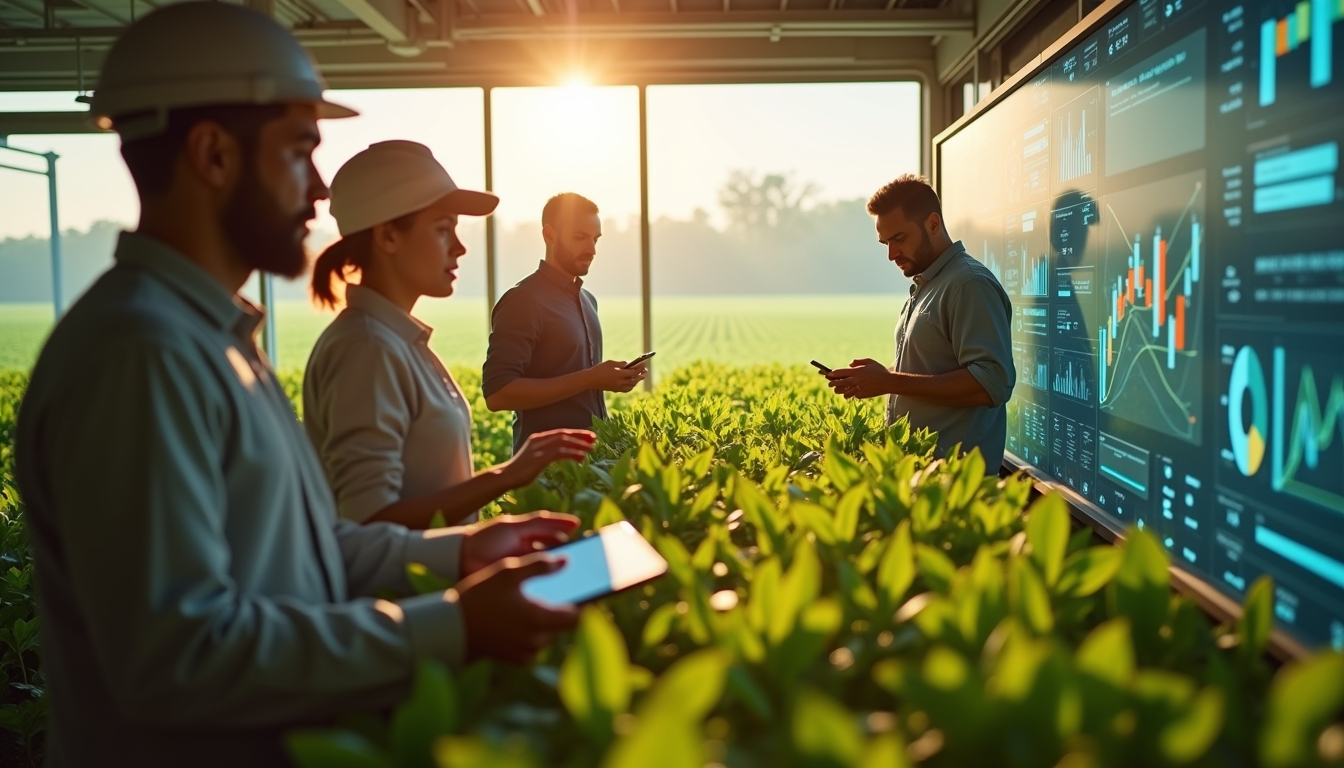
AI in agriculture is more than a buzzword; it’s an evolving suite of technologies enhancing precision agriculture. Its role in precision farming includes analyzing soil data, weather predictions, and crop conditions, aiming to maximize productivity while minimizing resource waste. The integration of AI with IoT devices further empowers farmers to monitor crops with unprecedented accuracy. By analyzing real-time data, these technologies optimize crop management, leading to improved yields and efficiency.
By utilizing AI, farmers not only increase productivity but also reduce environmental impact. Reducing chemical usage and optimizing water management are just a couple of ways AI promotes sustainable farming, ushering in an era of environmental consciousness in agriculture.
Worker Safety and AI
In the realm of worker safety, AI technologies are pivotal. Agricultural environments pose numerous hazards, and AI systems are proving robust in mitigating these risks. Machine learning algorithms can monitor environments with sensors to predict unsafe conditions, while wearable technology tracks worker health, providing timely alerts in emergencies. These technologies significantly reduce accidents, ensuring safer workspaces.
AI’s impact on worker safety extends beyond physical well-being. Innovations in health monitoring allow for the early detection of health issues, fostering a safer and healthier workforce. As these technologies continue to evolve, they offer the promise of automobile lines with fewer injuries and improved productivity.
Health Monitoring of Crops and Livestock
AI Tools for Crop and Livestock Health
The health monitoring of both crops and livestock is enhanced profoundly by AI. Through advanced imaging and pest detection algorithms, AI aids in early disease diagnosis, ensuring timely intervention and mitigated damage. Similarly, AI applications in livestock health allow for early detection of diseases, optimizing productivity and welfare.
Real-world examples illustrate these benefits. Farms harnessing AI for health monitoring report significant improvements in crop quality and animal welfare, paving the way for industry-wide adoption. This precision leads to more sustainable and efficient farming methods, contributing to the larger goal of feeding a growing global population responsibly.
Real-Time Data Analysis
The power of real-time data analysis in agriculture cannot be understated. AI-driven data analysis provides farmers with actionable insights, informing decisions that optimize both crop yields and livestock management. Predicting pest invasions or disease outbreaks before they occur enables preventative measures, transforming farming practices.
Looking to the future, AI promises to elevate predictive health monitoring, potentially transforming agriculture into a more proactive endeavor. Farmers will not only respond to changes but anticipate them, ushering in a new era of agricultural foresight and efficiency.
Sustainable Farming Practices Supported by AI
Efficiency and Resource Management
AI’s role in sustainable farming extends to optimizing resource use, from water to fertilizers. By analyzing soil and crop data, AI can recommend precise water levels and nutrient applications, drastically reducing waste. This not only conserves precious resources but also enhances crop quality and yield.
Further, AI’s impact on water management in farming is profound, facilitating irrigations based on real-time data, which reduces water consumption and costs. The ongoing evolution of AI technologies promises even greater efficiencies, driving the future of farming toward more sustainable and resource-friendly practices.
The Future of AI in Sustainable Agriculture
Looking ahead, AI technologies continue to reshape sustainable agriculture. With innovations on the horizon, global adoption rates are expected to soar as farmers recognize the value in efficiency gains and environmental benefits. However, the journey is not without its hurdles. Regulatory frameworks will need to adapt, ensuring these technologies contribute positively to agricultural sustainability.
Overcoming Challenges in AI Adoption in Agriculture
Barriers to Entry
Despite its potential, AI adoption in agriculture faces significant challenges. High costs and the complexity of AI systems pose barriers, particularly for smallholder farmers. Cultural resistance and the fear of replacing traditional practices with technology contribute to slow adoption rates, revealing a need for supportive infrastructures and policies.
Solutions and Support Systems
Potential solutions involve partnerships between technology companies and farmers, creating synergies that foster adoption. Policies supporting AI integration, along with educational initiatives, will play a crucial role. Training farmers in these technologies empowers them, bridging the gap between potential and practice.
By addressing these challenges, the agricultural sector stands on the brink of a revolution, one that promises sustainability and enhanced productivity through the effective integration of AI technologies.
—