The Impact of AI on Work: Transforming the Enterprise Landscape
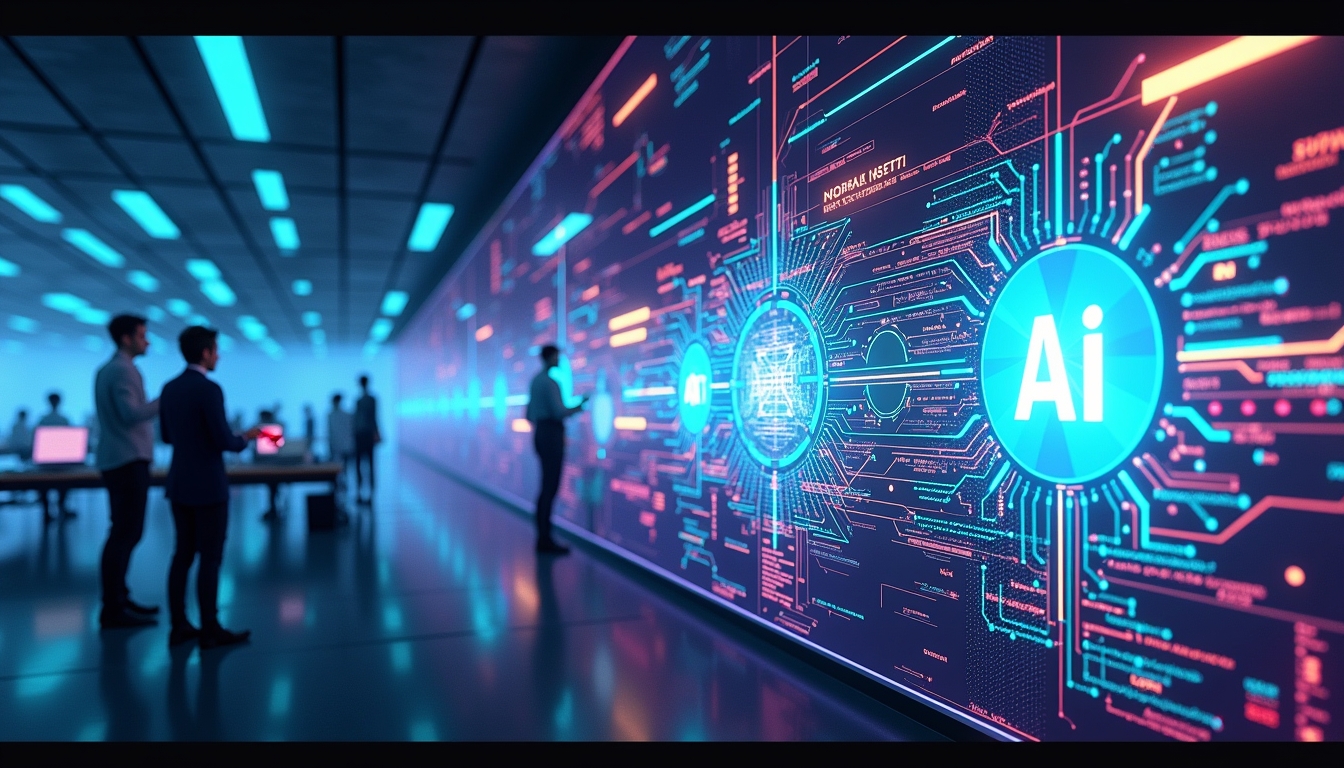
Artificial Intelligence (AI) is rapidly reshaping the employment horizon, marking profound shifts in job functions, workplace dynamics, and corporate strategies. As organizations across the globe embrace AI, understanding its impact on work becomes crucial for navigating this new era.
AI’s Role in Workplace Transformation
The Evolution of Job Functions
The integration of AI technologies has been transformative, redefining traditional job roles and augmenting human capabilities. For example, in data analysis, tasks that once took weeks can now be completed in seconds, allowing human workers to focus on interpretation and strategic decision-making. The AI impact on work is evident in its ability to handle repetitive tasks while boosting productivity and accuracy. According to a study highlighted by Hackernoon, AI technologies are fundamentally transforming job functions, with evidence suggesting collaboration between humans and AI improves team performance.
Moving forward, AI’s role will likely expand, enhancing roles across all sectors. As AI continues to mature, we can anticipate a greater emphasis on roles that require human intuition and emotional intelligence, supported by AI’s computational power.
Collaborating with AI: Redefining Team Dynamics
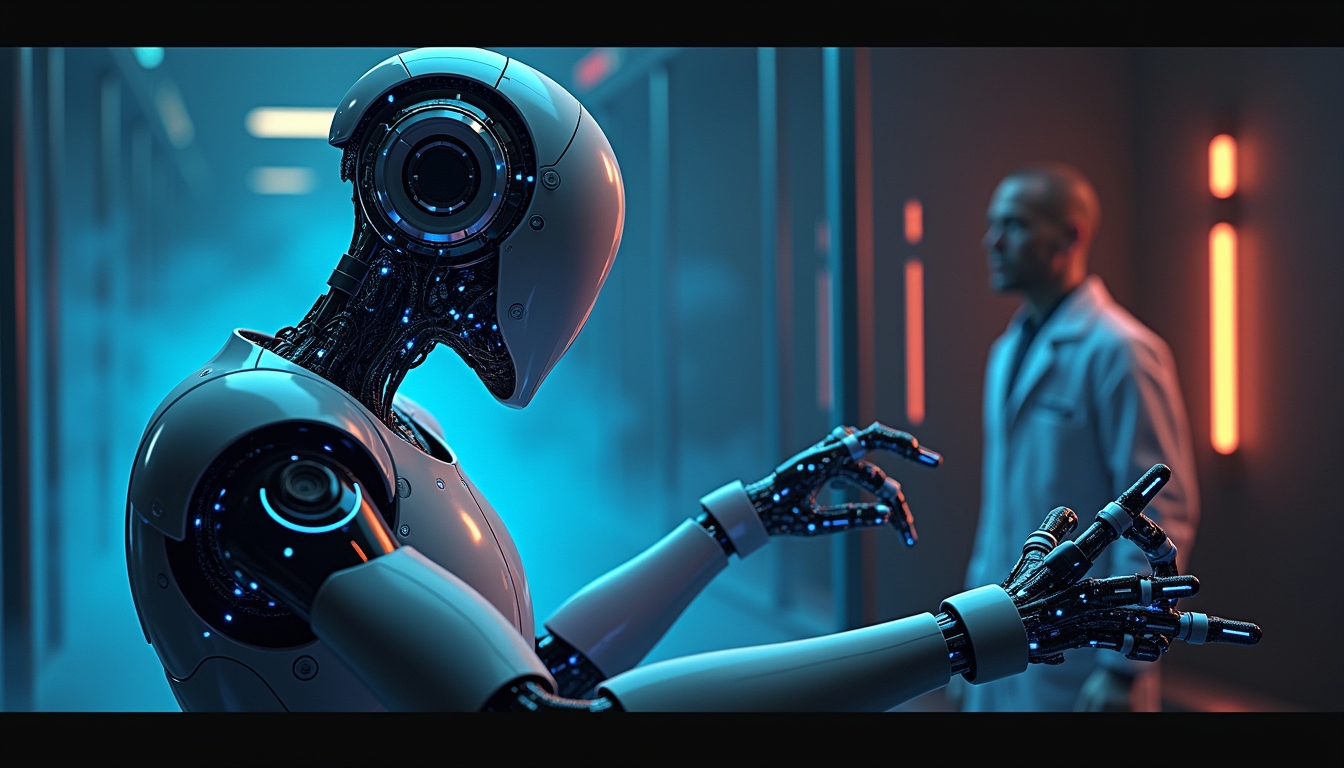
The rise of human-AI collaboration is redefining team dynamics across industries. In customer service, AI-driven chatbots handle initial inquiries, freeing up human agents to tackle more complex issues, thus improving overall efficiency and customer satisfaction. Case studies in healthcare demonstrate successful AI integration, where AI assists in diagnostics, allowing doctors to make more informed decisions.
Recent studies indicate that an effective combination of human insight and AI capabilities results in superior outcomes, as highlighted in research from VML and Fourth-Mind. Effective teamwork in AI-integrated environments will increasingly rely on adequate training and adaptation strategies, ensuring that human and machine work in harmony to achieve common goals.
Understanding Workplace Automation
The Rise of Enterprise AI Solutions
Enterprise AI solutions are broadly impacting various industries by streamlining operations and fostering innovative solutions. These AI applications span from predictive analytics in marketing to automation of supply chain processes, fundamentally altering business efficiencies. A significant shift is visible as businesses prioritize automation to enhance decision-making and operational processes.
Utilizing the findings from the related article, it’s clear that enterprise AI is not just about automation but also about creating smarter, data-driven environments. This transformative trend points towards a future where AI will be a staple component in business strategy, promoting smarter and faster business operations.
Employees vs. Robots: Automation Myths Debunked
Despite fears surrounding job displacement, AI is more about enhancement than replacement. Automation technologies often rely on human oversight to function optimally, ensuring quality and ethical standards are met. A common misconception is that automation equals job loss. However, many real-world examples illustrate AI’s role in complementing rather than replacing human jobs. For instance, in manufacturing, robots handle assembly tasks but human workers oversee quality control and process innovations.
Moving forward, the focus should remain on demystifying AI and promoting a narrative of collaboration rather than competition. Emphasizing training and upskilling will be critical in dispelling myths and preparing the workforce for an AI-enhanced future.
Employee Training: Preparing for an AI-Driven Future
Upskilling for the AI Age
Continuous learning and strategic employee training initiatives are vital for preparing the workforce to embrace AI. Successful programs such as those implemented by leading tech firms exemplify how upskilling can keep employees adaptable and competitive in an AI-driven market. Moreover, generative AI plays a significant role in customizing training modules, offering personalized learning experiences that are both engaging and effective.
As AI technologies expand, so will the need for robust training frameworks that ensure employees are not only users but also innovators of AI solutions. This proactive approach will foster a resilient workforce equipped to meet the challenges of tomorrow.
Cultivating a Culture of Innovation
Fostering a culture that embraces innovation in AI usage is pivotal for leveraging the technology effectively. Organizations that actively promote experimentation with AI solutions and incorporate employee feedback often see significant productivity boosts and morale improvements. According to insights from Anthony Laneau, creating an environment conducive to AI-driven innovation leads to a more dynamic and forward-thinking workplace.
Looking ahead, companies that succeed will be those that can blend innovation with strategic foresight, allowing them to harness the full potential of AI and maintain competitive advantage in a rapidly evolving market.
Trends Shaping the Future of Work with AI
The Future of Human-AI Collaboration
The future of work is increasingly dependent on effective human-AI collaboration. As AI capabilities advance, a hybrid workforce blending AI tools with human expertise will emerge, revolutionizing productivity and creativity. Trends suggest that companies fostering this collaboration will lead innovation, enhancing workplace processes and outcomes.
Long-term success will require an emphasis on developing frameworks for seamless integration between AI and human workers, reinforcing the synergy needed for sustained advancement.
Emerging Technologies and Their Potential Impact
Emerging technologies such as generative AI are poised to significantly impact workplace automation and innovation. These technologies offer immense potential to personalize workflows, leading to enhanced efficiencies and novel business solutions. Current trends suggest a future where personalization and adaptability are key drivers of AI advancements in the workplace.
The ongoing evolution of AI technologies will create new opportunities and require businesses to remain vigilant and adaptable, ensuring they continue to leverage emerging tools for optimal organizational outcomes.
Seeking Balance: Human Involvement in AI
The Ethics of AI in the Workplace
As AI becomes increasingly ubiquitous, ethical considerations in its deployment are paramount. Governance and regulated AI usage ensure that implementations are fair, transparent, and accountable. Successful cases of ethical AI usage demonstrate how companies can maintain consumer trust while leveraging advanced technologies.
The future will demand a balanced approach between innovation and ethical responsibility, requiring stakeholders to participate actively in shaping the AI landscape to reflect societal values and needs.
The Role of Leadership in AI Integration
Leadership plays a critical role in the successful integration of AI within organizations. Effective change management strategies and clear guidance during AI adoption ensure that transitions are smooth and beneficial. Insights from successful case studies highlight leadership’s responsibility in steering AI initiatives toward meaningful contributions to business objectives.
Looking ahead, those in leadership roles must develop a nuanced understanding of both AI capabilities and strategic objectives, fostering environments where AI can thrive in alignment with organizational goals.
AI’s integration into workspaces is not about replacement but enhancement, heralding a new era of unprecedented collaboration and innovation.