AI in TV Production: How Technology is Reshaping Visual Storytelling
The integration of AI in TV production is redefining how stories are told on screen, offering innovative tools and methodologies that seamlessly blend technology with human creativity. This evolution is not only shaping the future of filmmaking but also altering the traditional paradigms of content creation.
Revolutionizing Filmmaking with AI
Overview of AI Applications in Film and Television
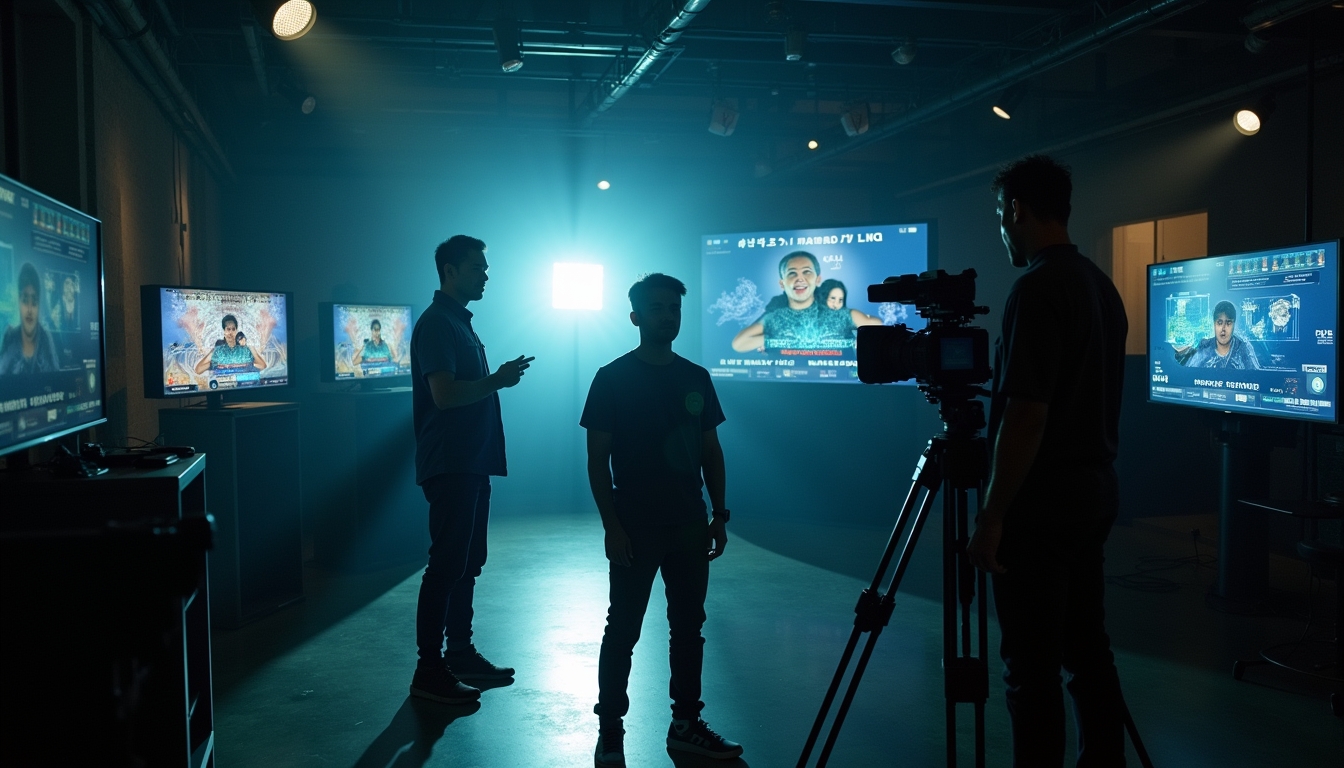
In the world of film and television, AI is transforming various facets of production. Data-driven decision-making has become a cornerstone for script selection, as AI algorithms analyze audience preferences and predict the success of different narratives before production begins. Moreover, AI tools for video editing and special effects are enabling directors to bring more ambitious projects to life with increasingly complex and visually stunning scenes.
Predictive analytics, another pivotal AI application, allows producers to gauge potential viewer engagement. By analyzing trends and feedback, production teams can fine-tune their content to resonate with the audience’s expectations, enhancing both the viewer experience and the show’s commercial success. As AI becomes more entrenched in these processes, it underlines a shift towards more data-informed and efficient production models.
Case Study: AI in Amazon’s House of David
A compelling example of AI’s role in television is demonstrated by Amazon’s series, House of David. From the first season’s modest use of 70 AI-generated shots to more than 350 in the second season, the show exemplifies a significant leap in AI utilization Wired Article. According to showrunner Jon Erwin, leveraging AI for visual effects drastically cuts costs. He remarks, “The entire shot is done using these tools, virtually,” highlighting the cost-effectiveness of this approach compared to traditional methods.
Despite initial skepticism within the industry, House of David‘s success—selling over half a million subscriptions in just three weeks—indicates a growing acceptance among audiences Wired Article. This case offers a glimpse into how AI can democratize content creation, allowing for grander visions under tighter budgets. As AI continues to evolve, it is poised to become an integral player in visual storytelling.
The Rise of AI Content Creation in Series
Comparing Traditional Techniques with AI Innovations
With AI content creation becoming more prevalent, the industry is witnessing a dynamic shift from manual production methods to automated systems. Traditional techniques often involve labor-intensive processes that can extend production timelines. In contrast, AI-driven innovations facilitate faster content generation, enabling creators to explore more diverse storytelling avenues without compromising on time or quality.
The introduction of AI technologies has markedly reduced production timelines, but their impact extends beyond efficiency. The creative potential unlocked by AI allows artists and technicians to experiment with narrative structures in ways previously unimaginable. As the technology progresses, we may see even more groundbreaking creative collaborations between AI and human imagination.
The Role of AI in Scriptwriting and Pre-Production
AI’s contribution to scriptwriting and pre-production is profound. By assisting in script analysis and offering feedback, AI provides invaluable insights that enhance storytelling quality and coherence. Tools like these aid writers in refining character development and plot progression, ensuring that narratives are compelling and robust from inception.
In pre-production stages, AI can simulate scenarios and predict outcomes, streamlining workflows and mitigating risk. As more studios adopt these practices, the boundary between human intuition and machine intelligence blurs, potentially leading to new heights of creativity and expression. Looking forward, AI is set to become an indispensable resource for creative professionals in television and film production.
Audience Reception and Industry Criticism
Exploring Viewer Acceptance of AI in Media
The reception of AI in media by audiences is mixed, with acceptance largely influenced by the final product’s quality. Despite initial concerns over AI’s impact on storytelling authenticity, audience engagement statistics reveal a growing tolerance, or even enthusiasm, for AI-enhanced content. This acceptance hinges on the balance of maintaining traditional storytelling nuances while embracing innovation.
Nonetheless, the critical voices within the industry cannot be ignored. Some professionals argue that AI’s rise may threaten the artistry of filmmaking. However, as long as AI complements rather than overrides human creativity, audience preferences seem to favor this evolution of storytelling.
Varied Perspectives from Industry Leaders
Industry leaders are divided in their opinions on AI’s place in media. Visionaries like Guillermo del Toro have historically expressed concerns over losing the human touch in creativity, whereas others like Justine Bateman advocate for cautious optimism. Jon Erwin’s stance, encapsulated in his quote, “This is a fundamental change that’s going to happen no matter what your opinion is,” underscores the reality that technological advancement is inevitable Wired Article.
This dichotomy within the industry reflects a broader discussion about the intersection of technology and art. It also calls for a balanced approach, where AI is utilized as a tool for enrichment rather than replacement.
The Future Landscape of AI in Entertainment
Predictions for AI’s Role in Upcoming Productions
The future promises further integration of AI in AI in TV production, with advancements likely to enhance both visual effects and storytelling depth. As technology continues to evolve, we can anticipate new standards and practices that redefine industry norms. These innovations are expected not only to enrich viewer experiences but also to empower creators with unprecedented narrative tools.
Guidelines for Ethical AI Use in TV Production
As AI usage becomes ubiquitous, establishing guidelines for ethical practices is crucial. Maintaining human oversight is paramount to ensure content integrity and authenticity. Strategies for responsible AI implementation must include transparency in AI usage and engagement with diverse creative voices to safeguard the essence of storytelling.
In envisioning the entertainment landscape, AI stands as a catalyst for transformation, merging technological precision with human creativity.
—
As we stride into this tech-enhanced future of storytelling, embracing change while preserving the core of creativity will define the path ahead.