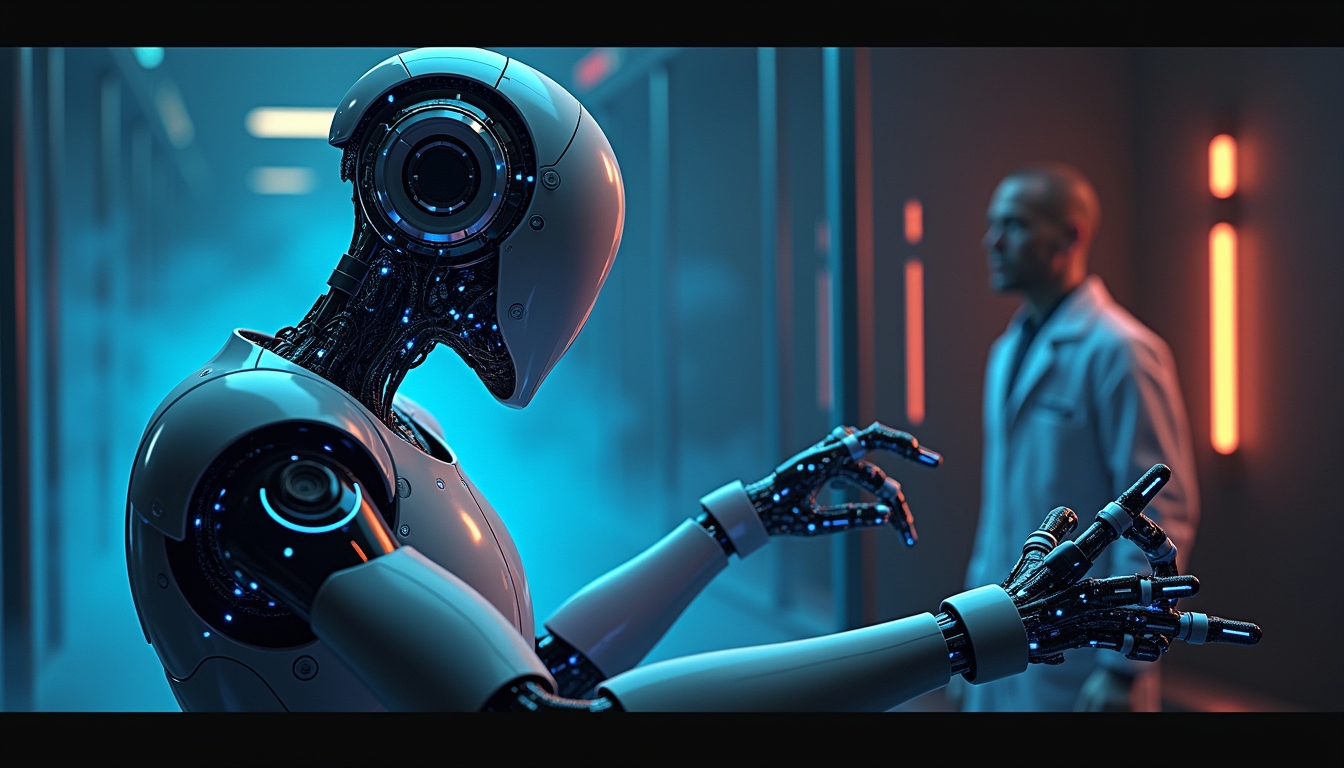
Google DeepMind Robotics: Pioneering the Future of AI and Robotics
The world of robotics is on the brink of significant transformation, and Google DeepMind Robotics stands at the helm of this dynamic field. With a strategic pivot towards robotics innovation, DeepMind’s recent initiatives paint an illuminating picture of the future of AI-driven robotics. This exploration sheds light on DeepMind’s ambitious leap and its potential to revolutionize the industry.
The Ambitious Leap into Robotics
Understanding Google DeepMind’s Shift
DeepMind, known for its groundbreaking work in artificial intelligence, is now venturing into the expansive realm of robotics. This strategic shift is marked by the significant hiring of Aaron Saunders, the former CTO of Boston Dynamics, a leader in developing advanced robotic systems. Saunders’ expertise is expected to bolster DeepMind’s goals of integrating AI deeply within robotic architectures. According to Wired, Demis Hassabis, CEO of DeepMind, draws parallels between this emerging robotics initiative and the Android ecosystem. The overarching aim is to embed AI as seamlessly into robotics as Android operates within the smartphone industry.
DeepMind’s Vision for the Gemini System
The centerpiece of DeepMind’s strategy is the Gemini AI model, envisioned as a universal robotic operating system. This model aspires to be the Android of robotics, providing a robust, adaptable framework for various platforms. Hassabis emphasizes the \”out-of-the-box\” functionality of the Gemini system, aiming for a streamlined, integrative experience for robotic developers. With this visionary step, DeepMind hopes to set a standard for capability and collaboration in robotic software, akin to how Android revolutionized app development.
The Current Robotics Landscape
The robotics industry is increasingly competitive, with notable companies like Agility Robotics, Figure AI, and Tesla driving forward with significant innovations. These entities are cultivating advanced technologies, striving to overcome the technical challenges of robotics deployment. As they edge closer to breakthroughs, the overarching challenge remains the integration of sophisticated AI to enhance robotic capabilities. With Google DeepMind’s focus, the landscape could be reshaped by more intelligent, adaptable solutions, bridging the current gap between aspiration and application.
AI Innovation: A Transformative Force
Innovations Driving Robotics Forward
Key technological advancements fuel the acceleration of robotics developments. Through sophisticated algorithms and enhanced machine learning techniques, AI innovation is setting the pace for robotics. The integration of advanced AI leads to improved navigation, autonomy, and decision-making for robots. Examples such as Boston Dynamics’ Spot and Agility Robotics’ Digit highlight how AI can amplify robotic tasks across various environments, emphasizing potential applications in sectors from logistics to healthcare.
Robotics and AI: A Symbiotic Relationship
The synergy of AI and robotics is a driving force for transformative development. AI algorithms refine how robots perceive, process, and react to their environments, creating smarter, more efficient robots. Case studies show significant improvements, such as AI’s role in enhancing robotic satellite maintenance or automated surgical procedures. As AI continues to evolve, its intersection with robotics promises further groundbreaking possibilities, pushing boundaries in ways previously imagined only in science fiction.
Industry Impact: Robotics at the Edge
The Transformational Potential of AI Robotics
AI-powered robotics is positioned to be a game-changer across numerous industries, including manufacturing, healthcare, and logistics. These intelligent machines can improve efficiency, reduce operational costs, and even take on hazardous tasks, redefining conventional roles and responsibilities. However, this transformation also prompts crucial conversations about its impact on labor, necessitating strategies for workforce adaptation in an increasingly automated world.
Future Trends in Robotics
The coming years promise significant advancements and trends in robotics. From humanoid robots to AI-integrated operational systems, companies are investing heavily in pushing forward the functionality and application of robots. Innovations continue to emerge, painting a picture of a future where robots are indispensable partners in numerous facets of life and work. The trajectory indicates a rise in collaborative robots (‘cobots’), further blurring the line between AI-driven automation and human tasks.
Challenges Ahead: Navigating Roadblocks
Ethical Considerations in AI Robotics
As robotics become more integral to daily life, ethical considerations gain importance. Addressing issues such as AI decision-making processes and robot autonomy is paramount. The conversation extends to ensuring ethical AI practices are woven into the fabric of robotics development, particularly regarding privacy, safety, and non-discrimination in algorithms controlling robotic actions.
Getting Over the Technical Hurdles
Numerous technical challenges persist in deploying AI-powered robots effectively. Navigating complex real-world environments, improving energy efficiency, and ensuring reliability under diverse conditions are hurdles that demand advanced solutions. Continuous research and innovation are essential, with potential breakthroughs like quantum computing offering prospects to solve these daunting issues.
Future Outlook: The Road Ahead for Robotics
Predicting the Evolution of Robotics
The future of robotics over the next 5-10 years is poised for dramatic evolution. With continuous AI advancements, the realm of possibilities expands, anticipating breakthroughs in human-robot collaboration and autonomous systems. Industry analyses suggest substantial developments in AI robotics that could lead to versatile applications, offering unprecedented benefits across various sectors.
The Role of Collaboration and Competition
The robotics field thrives on collaboration and competition, both critical drivers of innovation. Partnerships, especially with traditional industries, foster the blending of expertise and experience. Competition among tech giants accelerates progress and innovation, raising the prospect of novel developments that redefine current robotics applications.
—
The horizon of Google DeepMind Robotics is marked by potential and promise — a testament to the relentless pursuit of innovation and progress within AI and robotics.
Sources
– Wired