AI in Relationships: Navigating the Intersection of Technology and Emotion
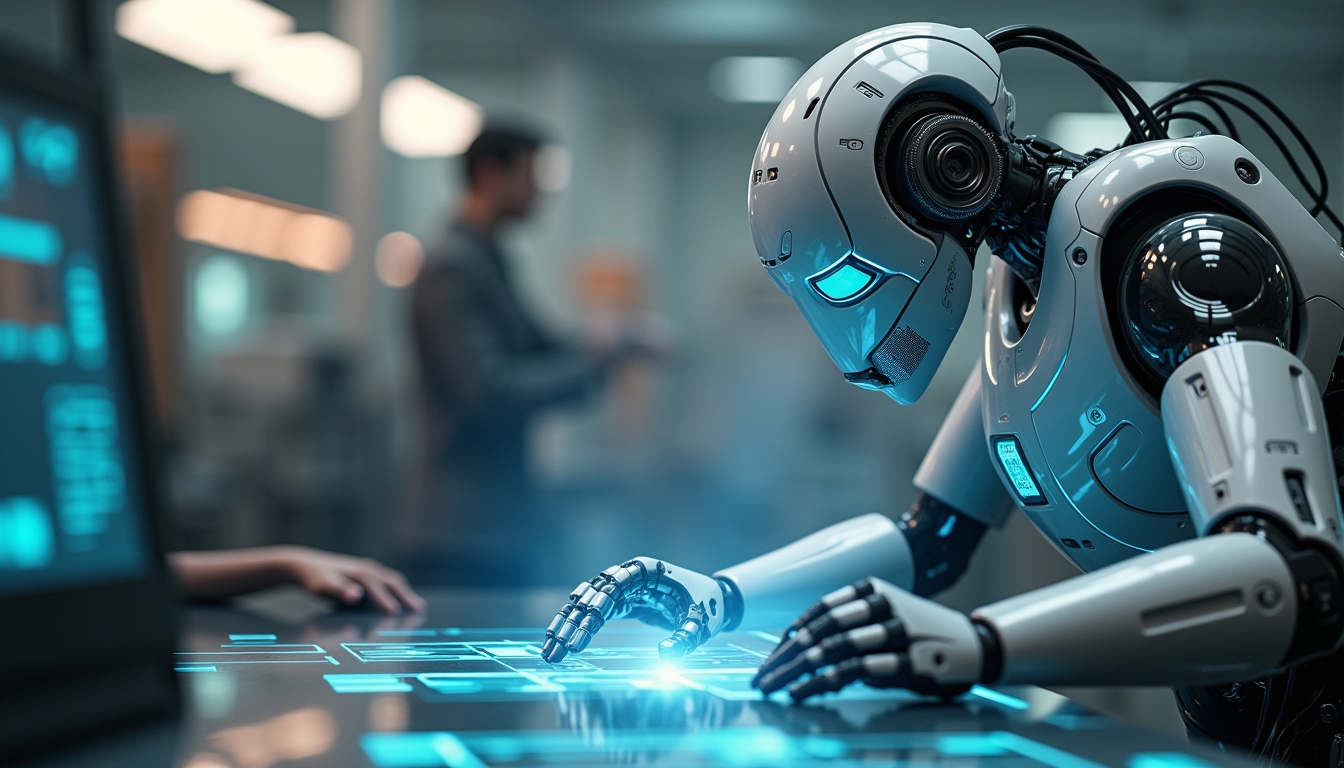
As artificial intelligence steadily embeds itself into every facet of our lives, its impact on personal relationships cannot be overstated. The AI in relationships arena is burgeoning, promising to enhance yet complicate the way individuals connect emotionally and romantically. This topic not only captures our collective curiosity but also raises critical questions about technology’s role in emotional affairs.
The Rise of AI in Romantic Affairs
Changing Dynamics
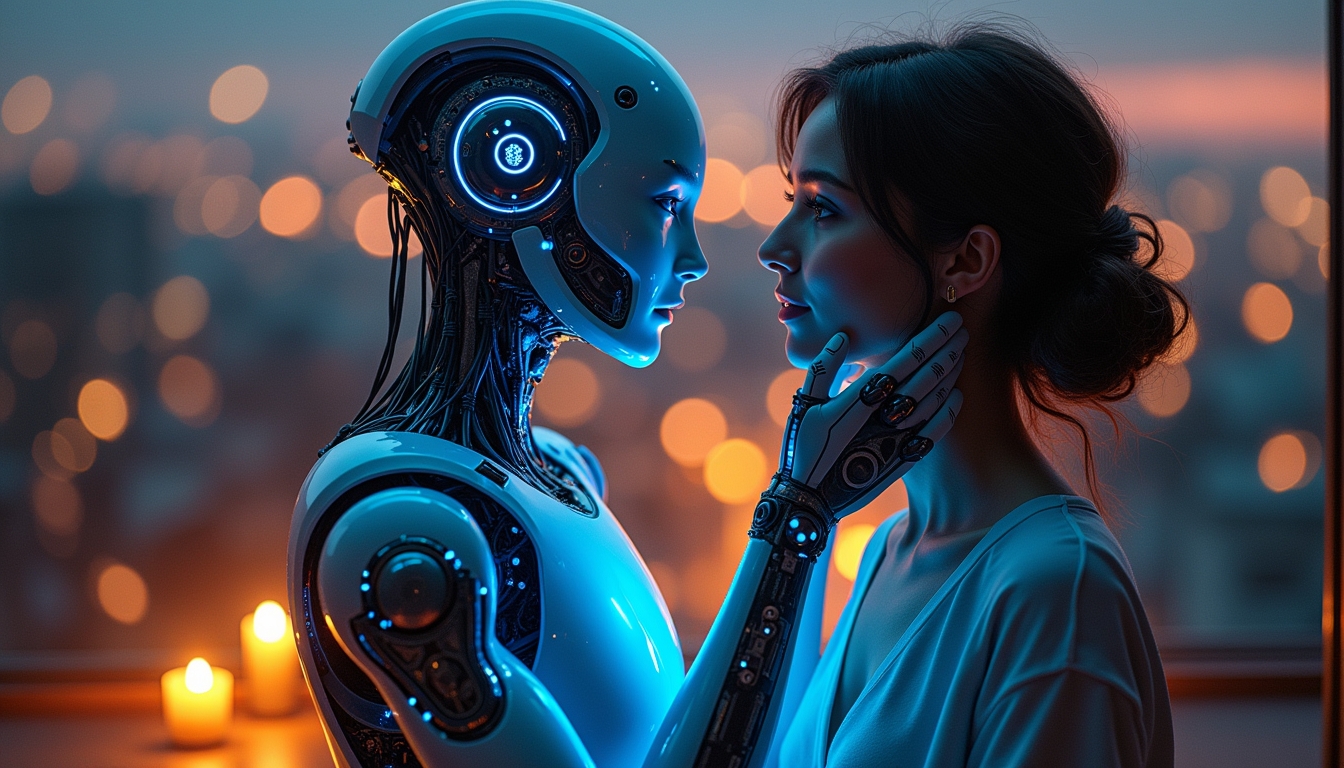
The infiltration of AI tools into dating and romantic partnerships is reshaping traditional dynamics. Dating apps leverage complex algorithms to match potential partners, while emotionally intelligent AI companions provide individuals with emotional support — offering solace for those feeling isolated or misunderstood. These AI companions operate on sophisticated models capable of gauging emotional states and responding empathetically. It’s a realm vividly explored by tech sources, elucidating how AI is revolutionizing the way we approach romantic affairs.
AI’s growing presence in romance extends beyond simple matchmaking. As pointed out by Wired, the trend of AI-influenced relationships is on the rise, with significant implications for society’s views on companionship.
The Role of Emotional Intelligence in AI
Emotional intelligence is paramount in AI’s role within relationships, defining its capability to interpret and react to human emotions. The challenge lies in programming AI to authentically emulate human empathy, a task as complex as it is critical. While AI can parse linguistic cues and historical data to simulate a form of empathy, the nuances of genuine emotional intelligence often prove elusive to machines.
Navigating these complexities is crucial for fostering user trust and deepened interactions. However, we’re only beginning to scratch the surface of AI’s emotional capabilities, suggesting both promising applications and potential pitfalls in future virtual interactions.
Digital Privacy Concerns
Data Vulnerability
The rise of AI technology in relationships shines a spotlight on significant digital privacy issues, particularly concerning data collection practices on dating platforms. These platforms gather vast amounts of personal data, a treasure trove for potential exploitation. Incidents such as the Department of Homeland Security’s (DHS) unauthorized data gathering highlight this vulnerability. Wired’s analysis revealed that 95% of the data breach victims were minorities, emphasizing the disproportionate impact on marginalized groups.
Data breaches not only threaten individual privacy but also have broader legal and ethical implications, underscoring the urgent need for stringent privacy regulations and responsible AI development.
Legal Implications of AI in Relationships
The merging of AI with romance increasingly draws legal scrutiny, with lawsuits challenging AI-driven interactions. Privacy laws need updating to account for these digital complexities, balancing innovation with privacy protections. This intersection shows how evolving technologies push legal standards into new territories.
AI and the Evolution of Romantic Relationships
Virtual Relationships vs. Traditional Dynamics
Comparing digitally mediated relationships with traditional dating uncovers a landscape thriving with both possibilities and challenges. Digital romances, founded upon algorithmic compatibility rather than chance meetings, offer unparalleled convenience but also distinct risks concerning authenticity and depth.
AI’s role here extends into shaping emotional attachments, where users can form deep bonds with AI entities. Such scenarios compel us to rethink the definitions of love and companionship in an age ruled by technology.
Societal Norms and Acceptance
Society’s attitude towards AI companions is at a crossroads, differing widely across cultures. Some view AI companionship with skepticism, while others see it as a solution to social isolation. As AI technology becomes more prevalent, societal norms will likely shift, sparking crucial dialogue on human values and relationships.
The Future Landscape of AI in Relationships
Predictions for AI Technology in Romance
Trends indicate robust growth in AI-driven relationship tools, with potential advancements in predictive emotional analysis and personalized experience design. As algorithms advance, they could transform how we perceive emotional compatibility, leading to more deeply personalized interactions.
Anticipating these changes enables us to prepare for their profound impact, underscoring the importance of guided ethical development to harness AI’s potential positively.
Advocating for Ethical Practices
Regulating AI’s impact on emotional intelligence is essential, demanding stringent guidelines to safeguard privacy and emotional integrity. Users’ rights to control their data must be vigorously protected, instigating a broader advocacy for ethical AI deployment in relationships.
Final Thoughts on AI and Emotional Connections
Balancing the benefits of technology with personal connections requires vigilant awareness of both opportunities and ethical limits. As AI evolves, navigating this territory cautiously will be vital to preserving the sanctity of human relationships.
Charting a thoughtful course through the myriad crosscurrents of technology and emotion ensures we remain stewards of our own digital destinies.