AI Manufacturing: Transforming the Industrial Landscape
Revolutionizing Manufacturing with AI
The Role of Digital Twins in Optimization
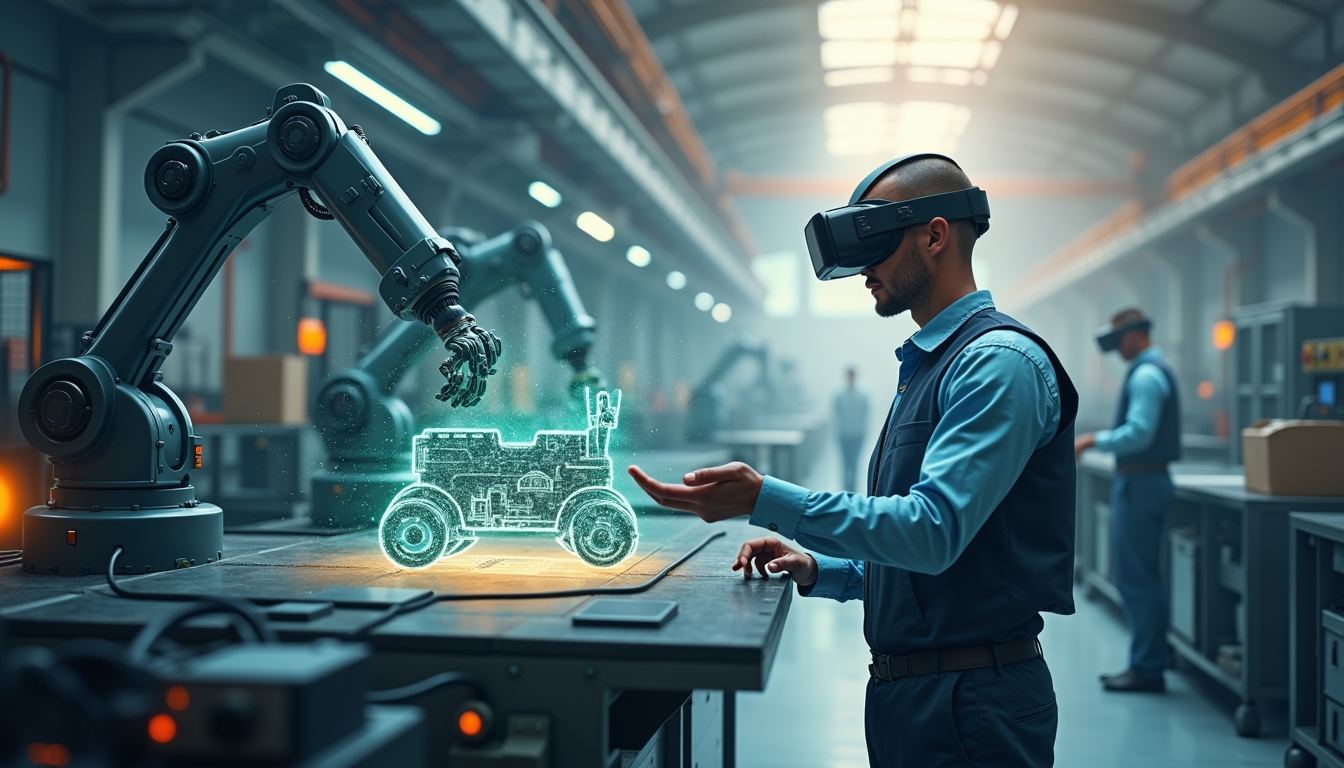
In the bustling realm of AI manufacturing, digital twins emerge as a transformative force, reshaping how industries perceive and optimize their production processes. A digital twin is a virtual replica of a physical entity—a manufacturing process, machine, or entire facility. This technology functions by modeling real-time data and simulating scenarios to predict outcomes and refine operations. The benefits are profound, particularly in real-time data analysis, where digital twins enable the visualization of the production line, allowing for system-wide insights rather than isolated views of individual machines. According to Technology Review, \”AI-powered digital twins mark a major evolution in manufacturing, introducing real-time visualization that enhances the entire production line.\”
The integration of digital twins streamlines processes by aligning operations with precise data-driven decisions, effectively reducing errors and resource wastage. The ability to simulate and rectify potential issues before they manifest is a significant leap toward an optimized, proactive manufacturing environment. This profoundly shifts the paradigm from reactive troubleshooting to anticipatory management, promising a sustainable future for industries adopting such innovations.
AI Optimization Techniques in Manufacturing
AI optimization is at the heart of modern manufacturing technology, leveraging advanced algorithms to refine production processes. Techniques like machine learning and reinforcement learning are being utilized to enhance operational efficiencies and product quality. Successful AI integrations across various manufacturing environments highlight real-world applications of these techniques. For example, Indranil Sircar, CTO of Microsoft’s manufacturing division, states, \”Through AI, we’ve transformed production methodologies, delivering precision and adaptability unheard of in traditional processes.\”
Case studies reveal the tangible benefits: reduced downtime, increased yield, and enhanced customization capabilities. From optimizing supply chains to predictive maintenance, AI integration has consistently resulted in performance improvements across sectors. This moves manufacturing towards a more efficient future where adaptability and reliability are standard.
Navigating Challenges of AI in Manufacturing
Overcoming Resistance to Change
One of the significant hurdles in implementing AI manufacturing technologies is overcoming resistance to change in traditional manufacturing setups. Employees accustomed to conventional methodologies may be hesitant to adopt AI-driven processes. Factors such as job security concerns and a steep learning curve contribute to this resistance. To combat these challenges, companies are investing in extensive training and change management strategies.
Promoting AI adoption goes beyond technology; it requires reshaping organizational culture. By emphasizing the symbiotic relationship between AI and human expertise, manufacturers can foster a collaborative environment where technology augments, not replaces, human effort. As AI continues to permeate the industry, the focus will remain on blending human insight with technological advantages for optimal outcomes.
Data Security and Privacy Concerns
With the proliferation of industrial IoT, data security has become paramount in manufacturing technology. As devices within a production line become interconnected, the risk of breaches escalates. Ensuring robust data security involves implementing best practices like encryption, regular security audits, and employing AI for threat detection.
Privacy concerns are also at the forefront, necessitating stringent data governance frameworks to safeguard sensitive information. Addressing these concerns is crucial for maintaining trust and confidence in advanced manufacturing systems. As the industry evolves, continuous innovations in cybersecurity will be essential to protect the integrity of AI-driven operations.
The Impact of AI on Downtime Reduction
From Reactive Maintenance to Proactive Solutions
Traditionally, manufacturing downtime has plagued industries, affecting both productivity and profitability. AI offers a revolutionary shift from reactive maintenance to proactive solutions, dramatically reducing downtime by employing predictive maintenance strategies. This enables manufacturers to anticipate equipment failures before they occur, ensuring seamless operations.
According to Jon Sobel’s estimates, manufacturers face downtime rates as high as 40%. However, companies that have implemented AI-driven solutions report significant reductions in these figures. This underscores the potential of AI to reshape manufacturing landscapes by elevating uptime and efficiency metrics, indicating a promising future where reliability is paramount.
Future Trends in AI Manufacturing Efficiency
The future of AI manufacturing is brimming with potential. Predictions indicate a growing synergy between AI and industrial IoT, creating a landscape where data-driven insights continuously enhance manufacturing efficiency. As IoT devices proliferate, their integration with AI will enable smarter, more adaptive manufacturing ecosystems.
The trajectory of AI advancements in manufacturing suggests a future where automated systems work harmoniously alongside human operators, enriching decision-making and operational agility. Embracing these trends will be crucial for industries seeking to lead in an increasingly competitive global market.
Embracing AI Technologies in Manufacturing
Case Studies of Major Players
Major industry leaders like Microsoft and NVIDIA are at the forefront of AI manufacturing innovations. By prioritizing AI integration into their operations, these companies set benchmarks for others in the industry. Microsoft’s strategic usage of AI in optimizing production processes exemplifies the efficient fusion of technology with traditional manufacturing methods, while NVIDIA’s advancements demonstrate the power of AI in refining intricate manufacturing systems.
The impact of these technologies extends beyond their operations, influencing broader manufacturing trends and encouraging widespread adoption of AI methodologies. As more companies follow suit, the industry collectively moves towards unprecedented levels of efficiency and innovation.
The Road Ahead: AI’s Growing Role in Manufacturing
The forecast for AI integration in manufacturing is promising, with expectations for widespread adoption across various sectors. However, this growth will not be without its challenges. As AI systems become more autonomous, the importance of human oversight remains critical to address ethical considerations and unforeseen issues.
The future also entails expanding AI capabilities, requiring continuous investments in research and collaborative efforts to harness technological advancements fully. As manufacturers navigate this evolving landscape, the onus will be on harmonizing human ingenuity with AI prowess to foster a progressive manufacturing ecosystem.
AI’s ascent in manufacturing is setting a new industrial paradigm, merging human creativity with unparalleled computational power.