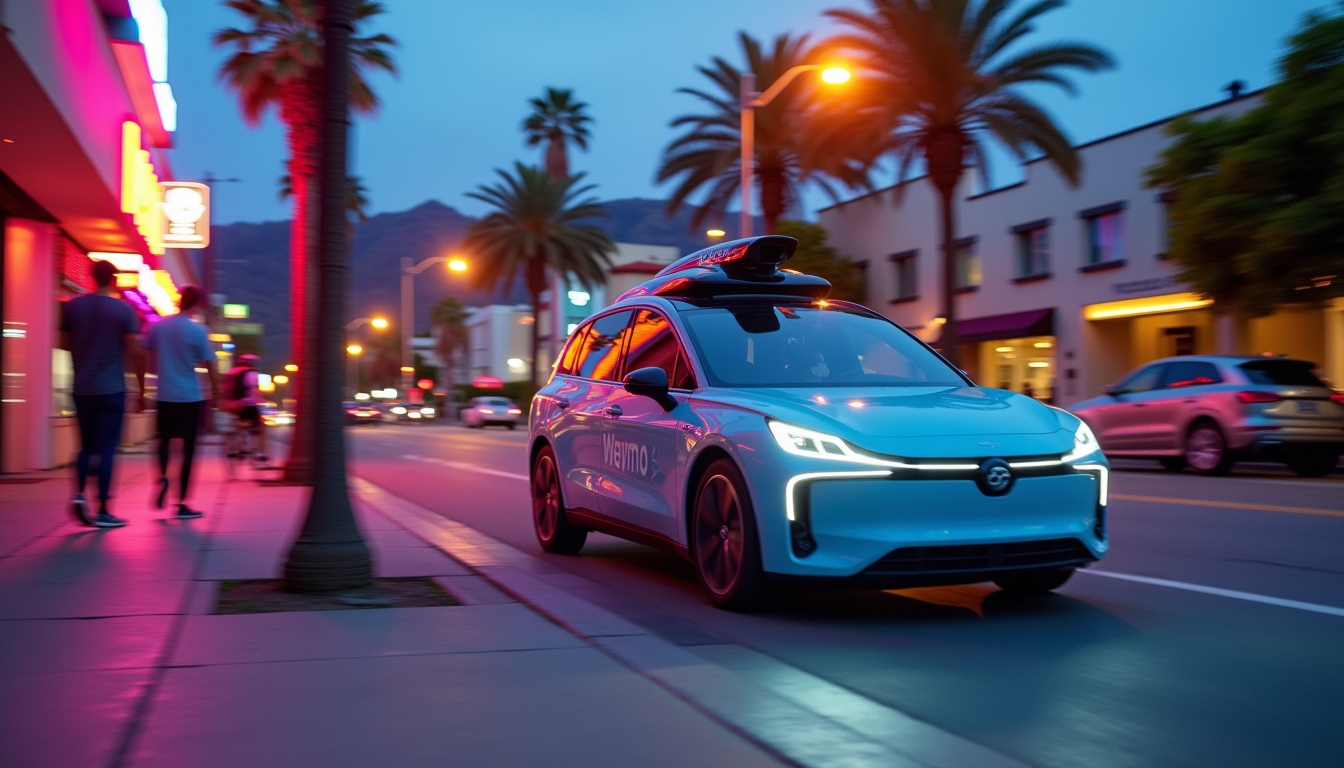
Waymo Autonomous Vehicles: Revolutionizing Transportation in California
The emergence of Waymo autonomous vehicles marks a pivotal shift in the landscape of transportation within California, ushering in an era of innovation and efficiency. As one of the trailblazers in autonomous driving, Waymo not only navigates through the technological advancements but also the complex regulatory landscape that governs their operations.
Navigating the Regulatory Landscape for Waymo
Aligning technological strides with regulatory requirements is critical for Waymo’s successful deployment across California. Understanding this intricate balance begins with delving into the approval process essential for autonomous driving.
Understanding Waymo’s Regulatory Approval Process
Waymo’s journey towards full autonomy involves obtaining approvals from various regulatory bodies. These entities ensure that the technology adheres to safety standards and operational protocols crucial for public safety. According to TechCrunch, Waymo is \”officially authorized to drive fully autonomously across more of the Golden State,\” a testament to their compliance with established regulations.
The California Department of Motor Vehicles (DMV) plays a pivotal role. Beyond granting operational licenses, it sets the benchmark for regulatory practices adopted nationwide. The DMV’s regulations, which impact Waymo’s operations, are designed to foster innovation while safeguarding public welfare. As California continues to spearhead regulatory frameworks, other states often follow suit, thus proving the influence of the state’s policies on broader legislative landscapes.
The Role of the California Department of Motor Vehicles
The California DMV oversees the registration and operational parameters of autonomous vehicles. By setting rigorous standards, it helps pave the way for seamless integration of self-driving cars into urban settings. Through initiatives that continuously evolve to incorporate technological advancements, the DMV maintains its reputation as a leader in setting regulatory expectations.
These regulations exert significant influence over Waymo’s operational strategies, impacting everything from vehicle deployment to public interaction. As these guidelines evolve, there is an ongoing conversation about adapting regulations to future technological advancements in autonomous driving.
Expansion Plans: Waymo’s Growing Footprint
Waymo’s expansion across California signifies a major milestone in its mission to redefine urban mobility. The strategic growth aligns with comprehensive plans to extend services, including entry into new markets and the implementation of robotaxi services.
New Areas for Autonomous Driving Services
Waymo is expanding its coverage to include the East Bay and North Bay, with exciting plans to penetrate Southern California regions such as Santa Clarita and San Diego by 2026. This ambitious expansion, highlighted in TechCrunch, not only underscores the increasing demand for autonomous services but also the strategic importance of these areas in pioneering new transport methods.
This move is more than geographical—it represents a strategic effort to elevate regional transportation models. Consequently, Waymo positions itself at the heart of a transport revolution, setting the stage for further expansions into cities like Dallas, Denver, and Miami.
Implementing Robotaxi Services
Waymo plans to launch its innovative robotaxi services in San Diego, consistent with its aim to provide accessible and efficient urban mobility solutions. These services, backed by robust infrastructure and cutting-edge technology, promise to revolutionize the urban commute. Launching mid-2026, the timeline is pivotal for Waymo’s strategic goals and aligns seamlessly with broader aspirations to redefine how urban landscapes interact with autonomous technology.
The Future of Autonomous Driving in California
As the industry evolves, keeping abreast of current trends within the autonomous driving sector is essential. Technological advancements continuously push the boundaries, reshaping how we perceive artificial intelligence and autonomous vehicles.
Current Trends in Autonomous Vehicle Technology
The progress in AI forms the cornerstone of advancements in autonomous driving. From enhanced sensor technologies to intricate algorithms for decision-making, these innovations drive the sector forward. The synergy between AI capabilities and vehicle autonomy fundamentally transforms transportation dynamics, with Waymo at the forefront, setting benchmarks in the sector.
Public Perception and Acceptance of Autonomous Vehicles
Public opinion remains a critical factor in shaping regulatory approaches and adoption rates of autonomous vehicles. Understanding and addressing public concerns is crucial for Waymo. By engaging communities through education and transparency, the company seeks to foster trust and acceptance, thereby paving the way for smoother integration into daily life.
Impacts of AI in Transportation
The intersection of AI with transportation heralds an era characterized by enhanced safety, efficiency, and innovation. Waymo’s initiatives showcase the transformative impact of autonomous vehicles on urban mobility.
Enhancing Safety and Efficiency
Autonomous vehicles promise reductions in accident rates, attributable to AI’s precision and reduced human error. AI algorithms, employed by Waymo, optimize route efficiency, contributing significantly to urban mobility. Urban congestion is anticipated to see marked reductions as these technologies gain traction, underscoring a fundamental shift in commuter experiences.
Broader Implications for the Auto Industry
The rise of autonomous vehicles introduces profound implications for traditional auto manufacturers and job markets. As companies innovate, driven by the demands of autonomous technology, a shift in workforce requirements is inevitable. This evolution not only challenges conventional auto incumbents but also opens pathways for new innovations within the industry.
Looking Ahead: The Future of Waymo and Autonomous Regulation
As Waymo navigates the intricate regulatory landscape, the evolution of legislation poses both challenges and opportunities. The dialogue between stakeholders ensures that regulations evolve in tandem with technological progress.
Upcoming Challenges in Autonomous Regulations
Forecasting future regulatory scenarios is essential. As technology advances, existing frameworks will necessitate revision, a process requiring active stakeholder engagement to effectively accommodate new innovations.
Waymo’s Potential Impact on Urban Transport
City landscapes stand on the cusp of transformation with the advent of autonomous technologies. Waymo’s impact on Right-of-Way and Traffic Management systems exemplifies the groundbreaking potential of integrating autonomous vehicles into public frameworks. Such initiatives could reshape urban environments, heralding a new era in transportation.
—
The transformative journey of Waymo in the autonomous vehicle sector signals not only changes within California but ripples across the global transportation landscape. Embracing innovation today illuminates the pathways for future ventures.
Sources
– TechCrunch article on Waymo’s regulatory approval and expansion plans