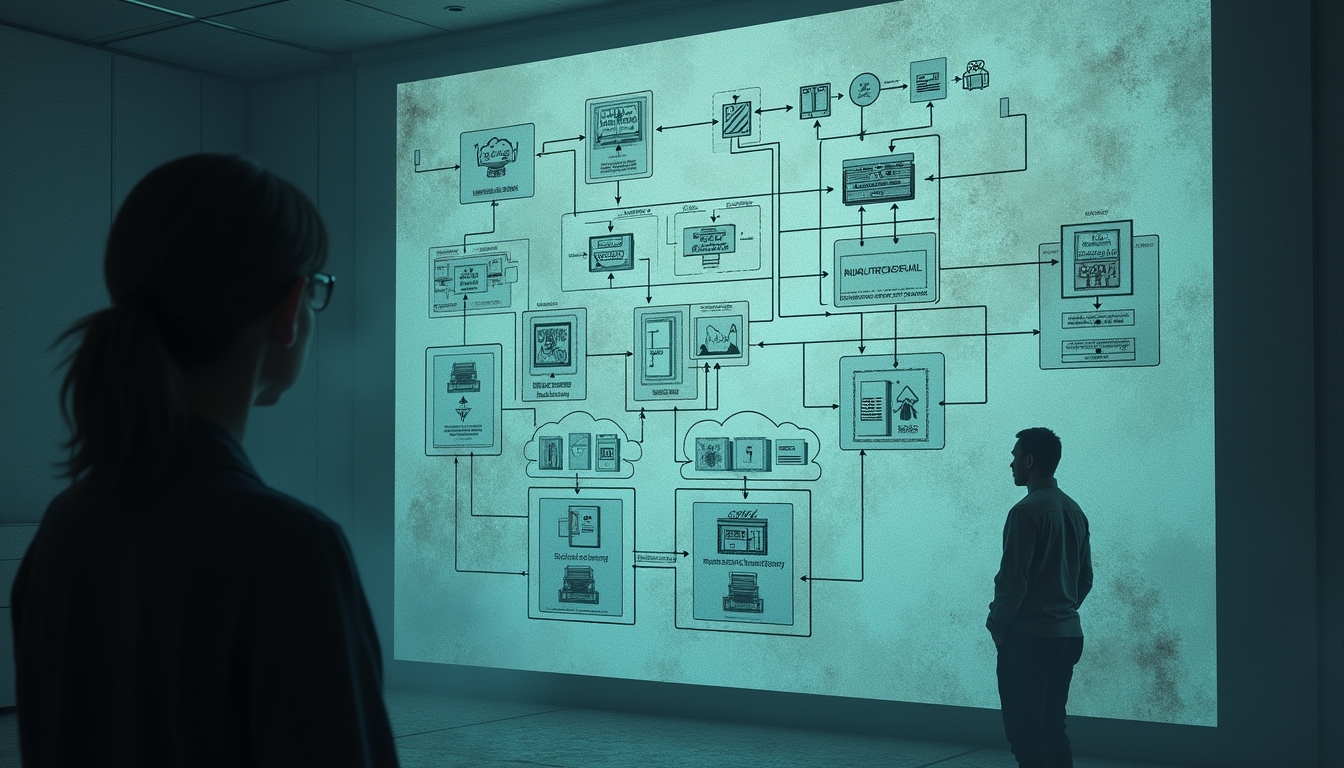
AI Documentation: Enhancing AI Model Reliability in Production
As artificial intelligence continues to be integrated into business operations, AI documentation becomes increasingly vital. A well-documented AI system ensures models operate with efficiency and reliability, particularly when deployed in production environments. This article explores the pivotal role documentation plays in enhancing AI model reliability and offers actionable insights into best practices for robust documentation.
Understanding AI Documentation
Importance of Comprehensive Documentation
AI documentation serves as a crucial backbone for any AI model throughout its lifecycle. It encompasses a range of materials that document the design, development, evaluation, and maintenance of AI systems. This comprehensive documentation ensures that all stakeholders have a clear understanding of the model’s capabilities and limitations, ultimately reducing the risks associated with its deployment. Inadequate documentation, conversely, can lead to significant performance vulnerabilities and misunderstandings about the model’s use and efficacy.
An article from Hackernoon highlights how AI models frequently face failures during production phases without robust documentation. This oversight can result in unanticipated model behavior and longer periods of downtime, adversely impacting business operations. Therefore, establishing robust documentation practices is not merely beneficial but essential for model reliability.
Key Elements of Effective AI Documentation
Effective AI documentation should include several core components: clear requirement specifications, thorough testing protocols, and ongoing monitoring guidelines. Clarity and accessibility are paramount, ensuring that documentation is understandable for all users, regardless of their technical expertise. Additionally, practices must be user-centric, focusing on the needs of both developers and end-users.
The integration of these elements into AI documentation provides a structured approach that underpins the development of models that are both reliable and agile. Looking ahead, adopting clear documentation standards not only aids in current operations but also facilitates future scalability and adaptability.
Challenges in Production AI
Common Pitfalls in AI Model Deployment
Deploying AI models in production is fraught with challenges. Common issues include unexpected model behavior, input data drift, and integration inefficiencies. These pitfalls often lead to operational bottlenecks, making models unreliable in real-time. The repercussions for businesses can be severe, leading to financial losses, damaged reputations, and eroded customer trust.
An important observation from the Hackernoon article is the frequent breakdown of AI models when transitioning from development to production. Strong AI documentation emerges as a solution to these challenges, providing frameworks that not only guide troubleshooting efforts but also preempt potential failures by documenting preventive measures.
The Role of Documentation in Mitigating Failures
Documentation plays a preventative role in reducing discrepancies and failures within AI systems. By detailing governance and auditing processes, documentation acts as a blueprint for maintaining model integrity and performance across diverse environments. Furthermore, successful case studies across industries demonstrate how well-documented AI models can mitigate risks and enhance operational efficiency.
Future models are likely to benefit from increased transparency provided by documentation, paving the way for improved reliability in AI production environments.
Best Practices for AI Documentation
Structuring Your Documentation
An effective structure for AI documentation facilitates easy access and comprehension. Recommended formats range from structured templates to adaptive documentation suites that accommodate various model complexities. Regular updates are necessary to ensure documentation remains current and aligned with operational objectives. Consistent alignment will not only improve model performance but also support continuous improvement efforts within organizations.
Collaboration Between Teams
The creation of comprehensive AI documentation is inherently collaborative, requiring input from cross-functional teams. Integrating perspectives from developers, data scientists, and business analysts enriches the documentation and ensures all bases are covered. Tools such as collaborative documentation platforms enhance these efforts by enabling seamless information sharing across teams. This collaborative approach helps future-proof documentation against evolving project demands and technological advancements.
The Future of AI Model Reliability
Trends Shaping AI Documentation Practices
As AI technologies evolve, documentation practices must adapt to new requirements. Emerging trends such as real-time documentation updates and AI-assisted documentation tools are beginning to reshape how AI systems are documented and audited. The influence of regulatory requirements further compels organizations to refine their documentation practices, ensuring compliance and fostering trust.
Predictions for AI Documentation Evolution
The future of AI documentation points towards more integrated and automated solutions. With advancements in AI toolsets and methodologies, the role of documentation is set to become even more essential. This shift will likely incite changes in organizational cultures, pushing for a greater emphasis on documentation as a foundational pillar of AI system development.
Conclusion and Future Considerations
The Strategic Importance of Documentation in AI
Robust documentation is not merely a procedural requirement; it is a strategic imperative. By equipping systems with comprehensive AI documentation, organizations can significantly enhance the efficiency and reliability of their AI models. With well-documented frameworks, businesses are better positioned to adapt to challenges and capitalize on AI-driven opportunities.
In today’s evolving AI landscape, reviewing and refining documentation practices isn’t optional—it’s necessary for success.
Sources
– AI models keeping breaking in production; strong documentation can fix it